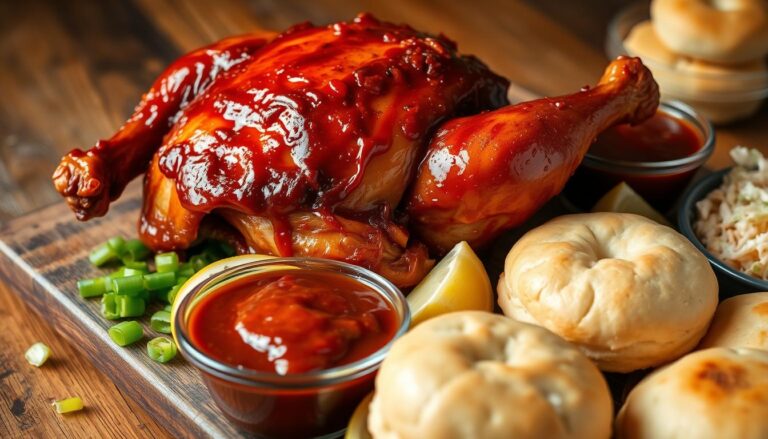
Top Barbecue Sauce Brands to Try
Looking for a reliable bottle to keep in the pantry? This roundup collects editor-tested supermarket staples and notable specialty jars from coast…
Looking for a reliable bottle to keep in the pantry? This roundup collects editor-tested supermarket staples and notable specialty jars from coast to coast. We sampled spoon tastings, low-and-slow pork, and grill tests to judge sheen, cling, and caramelization.
Editors and tasters from San Francisco to national kitchens compared balance among smoke, sweetness, tang, and heat. You’ll read about accessible classics like Sweet Baby Ray’s and Stubb’s, plus standouts such as Lillie’s Q, Rufus Teague, Bachan’s, Montgomery Inn, and 12 Bones.
Practical notes focus on texture, label cues, and how each bottle behaves when glazing ribs, basting chicken, or finishing pulled pork. The goal is a quick guide so you can narrow your favorite choice without scanning every grocery store shelf.
Key Takeaways
- We tested sauces in real cooking: dipping, broiling, and grilling.
- Expect clear notes on smoke, sweetness, tang, and heat balance.
- Find both pantry-ready classics and versatile specialty bottles.
- Label clues like thickness predict glaze and caramelization.
- Recommendations aim to match an original barbecue sauce to meals.
Why This Product Roundup of Barbecue Sauces Matters for Your Next Grill-Out
We tested supermarket staples and regional bottles across spoon tastings, oven ribs, and live grill sessions to see what really works. These real-world steps show how a bottle tastes straight from the spoon and how heat alters texture and flavor.
Practical testing used fries and nuggets for baseline flavor, low-and-slow ribs for caramelization, and brushed-on chicken to judge cling and sheen. That helped us judge balance between smoke, sweetness, tang, and heat.
Most shoppers reach for tomato-forward, Kansas City-style originals at the store. So we prioritized widely available recipes that perform across meals—wings, burgers, and ribs—without reworking your recipe each time.
| Test | What it shows | Kitchen tip |
|---|---|---|
| Spoon & dip | Baseline flavor and spice | Use as a table dip or glaze starter |
| Low-and-slow ribs | Caramelization and viscosity | Thin if it clumps; baste late for shine |
| On-grill brushing | Heat response and cling | Apply several thin coats for best glaze |
Top barbecue sauce brands: our editor-tested picks at a glance
Our editors narrowed a long list to a compact set of bottles that perform best in real cooking tests. Below are quick notes to help you scan for texture, shine, and how a bottle behaves over heat.
Sweet Baby Ray’s Original Barbecue Sauce
Thick and glossy, this original barbecue sauce blends pineapple, molasses, and cornstarch for crowd-pleasing tang and cling.
Stubb’s Original Bar-B-Que Sauce
Tomato-forward with a vinegary bite and peppery heat, it cooks more matte and builds a savory crust.
Rufus Teague Touch O’ Heat
Kansas City style richness: brown sugar, molasses, and a chipotle finish that adds smoky warmth for bigger flavor targets.
Lillie’s Q Carolina
Vinegar-led and mustard-kissed, drizzle-able for pulled pork and slow-cooked cuts.
“Pick a bottle that matches your cooking style—glossy glazes for ribs, thin drizzles for pork.”
Primal Kitchen, Bull’s Eye, Kinder’s, Montgomery Inn, Bachan’s, 12 Bones
Primal Kitchen is sugar-free with a black pepper finish. Bull’s Eye gives bold hickory sheen for grilled chicken. Kinder’s stays mild and sweet for kids. Montgomery Inn uses molasses and tamarind with no HFCS. Bachan’s brings soy-ginger umami for marinades. 12 Bones pairs blueberry and chipotle for a fruity-smoky twist.
How we evaluated barbecue sauces: tasting, cooking, and real-world use
Our panel moved from simple dips to oven braises and open-flame brushing to judge real-world performance. Tests were designed to show how a bottle tastes cold, how it changes under slow heat, and how it behaves on the grill.
Straight spoon and dipping tests
We began with spoon tastings and dips using fries and salt-only chicken nuggets to isolate baseline flavor, sweetness, and acidity. That step helped us spot bottles that taste balanced before heat alters them.
Low-and-slow applications
Pork shoulder was braised in the oven and mixed with measured ratios to judge integration into pulled pork. Ribs were baked at 275°F for 2.5 hours, then broiled to test caramelization and cling.
On the grill
Grill trials used chicken thighs brushed for 15 minutes with a mid-baste to watch for bubbling, sticking, and gloss. We noted which sauces mellowed, which spiked, and how texture held up.
- Viscosity mattered: thin runs off; too thick can burn.
- Heat handling: some flavors concentrate, some dull.
- Practical scoring: pitmaster Chris Prieto guided criteria so results apply to everyday kitchen cooking.
“We kept variables simple—salt-only meat and basic sides—to let each bottle’s true character come through.”
Regional styles decoded: finding your favorite flavor profile
Regional styles frame how a bottle behaves on heat and what flavors will stand out on your plate.
Testing focused mainly on Kansas City-style originals found on supermarket shelves. Those viscous, balanced bottles served as a baseline for sweetness, acidity, and spice.
Kansas City style
Thick, glossy, and sweet. This city style leans on brown sugar and molasses for heavy sweetness and a caramelizing finish. It handles high heat well and makes ribs shine.
Carolina styles
Carolina splits into tangy red vinegar and mustard-forward golds. Both cut fat on pulled pork. Vinegar gives zip; mustard adds a savory edge that plays with smoke.
Texas style
Texas bottles often favor tomato and vinegar bite with pepper-driven heat. They are less sweet and work best with brisket or bold beef where savory depth matters.
Alabama white
Alabama white sauce is mayo-based and tangy. It’s a creamy wildcard that pairs amazingly with chicken and smoked wings. Use it as a dip or a thin drizzle.
| Style | Key traits | Best match |
|---|---|---|
| Kansas City | Thick, sweet, glossy | Ribs, glaze finishes |
| Carolina (red/mustard) | Vinegar zip / mustard tang | Pulled pork, brisket |
| Texas | Tomato-vinegar, pepper heat | Brisket, beef cuts |
| Alabama white | Mayo-forward, tangy cream | Chicken, wings |
“Start with the regional profile that suits your palate, then fine-tune by brand to dial in sweetness and heat.”
Ingredients that shape flavor: sugar, heat, smoke, and tang
The way a jar lists sweeteners and spices predicts how it will behave on heat. Read the label to spot what creates gloss, cling, and final taste.
Corn syrup, high-fructose corn syrup, molasses, and brown sugar
Sweetness sources vary: corn syrup and high-fructose corn syrup boost body and gloss. Molasses and brown sugar add deeper caramel notes and darker color.
Example: Sweet Baby Ray’s uses high-fructose corn, pineapple juice, molasses, and cornstarch for thickness and sheen. Montgomery Inn leans on molasses and tamarind without high-fructose corn syrup.
Mustard, black pepper, and chile pepper: layering heat
Mustard and chile build front-of-mouth heat. Black pepper gives a lingering, warm bite. Primal Kitchen removes added sugar and finishes with mild spice and black pepper.
Vinegar and tamarind: managing acidity
Vinegar cuts richness and brightens meat. Tamarind adds rounded, fruity acidity that keeps sauces lively and prevents a cloying finish.
- Tip: Thickeners like cornstarch improve cling but can change how a sauce caramelizes.
- Pick pepper-forward profiles for beef; sweeter builds suit ribs and chicken.
“The right mix of sugar, acid, and spice decides whether a sauce caramelizes to a lacquer or burns too quick.”
Match the sauce to the food: best pairings for ribs, pulled pork, and grilled chicken
Choose sauces by how they behave under heat, not just how they taste cold on a spoon. That makes picking the right bottle simple for each cut and cooking method.
Ribs and brisket: thicker sauces that caramelize under heat
Ribs benefit from thick, glossy bottles that set into a sticky glaze. Tests showed Bull’s Eye and Sweet Baby Ray’s caramelize beautifully and hold shine on the grill.
Pulled pork: vinegar-forward and drizzle-able for rich meat
Pulled pork wants a tangy, drizzle-able finish. Lillie’s Q Carolina cuts richness with bright vinegar notes without masking the pork.
Chicken, wings, and nuggets: mild to medium heat with cling
For chicken, pick cling and moderate heat so the meat stays moist and avoids charring. Stubb’s stands up to wings and ribs, while Kinder’s Mild works great as a nugget dip.
Burgers, veggies, and beyond: creative uses in the kitchen
Bachan’s thinner, umami-forward jars shine as marinades. Fruity-smoky options like 12 Bones Blueberry Chipotle add a creative twist to ribs or burgers.
“Layer flavors: glaze on the grill, then finish with a fresh brush for shine and punch.”
- Tip: Match heat to your crowd—mild for family meals, bigger spice for bbq fans.
- Keep texture in mind: the right thickness avoids flare-ups and gives a caramelized finish.
Grocery store standouts vs. specialty bottles: where to buy and what to expect
When shopping, think of supermarket jars as reliable daily workhorses and specialty bottles as occasional splurges.
Widely available originals—Sweet Baby Ray’s, Stubb’s, Bull’s Eye, and Kinder’s—show up on most store shelves. They offer consistent texture and predictable heat levels. That makes them a smart grocery store choice when you need a quick, dependable flavor.
Specialty and regional picks bring distinct profiles. Expect 12 Bones Blueberry Chipotle for fruity-smoky contrast, Montgomery Inn for a molasses-forward Cincinnati classic without high-fructose corn syrup, Bachan’s for soy-ginger umami, and Lillie’s Q Carolina for a vinegar-forward drizzle.
How to pair them:
- Keep a mainstream original for weeknight meals—budget-friendly and versatile.
- Reserve one specialty bottle for weekend grilling or to highlight a specific dish.
- Read labels for texture and sweetener clues to predict how a bottle will caramelize.
- Many regional makers ship nationally, so you can find a new favorite even if it’s not local.
“Buy one everyday original and one adventurous pick to cover both weekday reliability and weekend excitement.”
| Where to buy | Typical traits | Best use |
|---|---|---|
| Grocery store (national) | Consistent texture, budget-friendly | Everyday grilling, weeknight meals |
| Specialty shop / online | Unique ingredients, regional flair | Showcase dishes, special occasions |
| Farmers’ market / local smokehouses | Small-batch, artisanal variations | Pairing with local meats, tasting flights |
Diet and ingredient considerations: sugar-free, no corn syrup, and clean labels
Choosing jars with cleaner ingredient lists can change how your food tastes and how it browns. Labels tell you if a bottle leans on sugar for gloss or on spice and acid for lively flavor.
Sugar-free choices that still deliver flavor
Primal Kitchen Unsweetened Classic BBQ leads as a sugar-free standout. It brings mild spice and a black pepper finish that keeps dishes interesting without added sugar.
Tip: sugar-free options may brown less, so expect a lighter glaze. Many cooks use a sugar-free base for cooking, then add a small brush of a sweeter glaze at the end for shine.
No high-fructose corn syrup options for a cleaner ingredient list
Lillie’s Q Carolina and Montgomery Inn Original avoid corn syrup; Montgomery Inn is specifically free of high-fructose corn syrup and leans on molasses and tamarind for body.
Bachan’s thinner, soy-forward jars give savory umami without heavy sweeteners, and Kinder’s Mild or Sweet Baby Ray’s skew sweeter and use corn or high-fructose corn syrup for extra gloss—so read labels if you want to skip those sweeteners.
- If you’re watching sugar: pick sauces that favor spice and vinegar to keep flavor lively.
- Avoiding corn syrup? choose bottles that use tomato, fruit, or tamarind for body instead.
- Soy-based options: add savory depth for seafood and lighter proteins.
- Mix and match: cook with a clean-label base, then finish with a sweeter glaze if you want caramelization and shine.
“Balance health goals with taste—mild spice and bright acidity keep food exciting even with reduced sugars.”
| Diet goal | Example bottle | Note for the kitchen |
|---|---|---|
| Sugar-free | Primal Kitchen Unsweetened Classic BBQ | Mild spice, black pepper finish; less browning, good base for finishing glaze |
| No corn syrup | Lillie’s Q Carolina | Vinegar-led body; bright on pulled pork, lighter finish |
| No high-fructose corn syrup | Montgomery Inn Original | Uses molasses and tamarind for depth without HFCS |
| Savory/low-sweet | Bachan’s (soy-forward) | Thin, umami-rich; pairs well with seafood and veggies |
Editor’s notes: balancing sweetness, smoke, and heat for your taste
What we learned is simple: viscosity and acidity steer final flavor more than label claims. In tests, Stubb’s held a balanced crust under high heat, while Sweet Baby Ray’s thickened and shone thanks to added sweeteners and molasses. Rufus Teague and other Kansas City contenders gave the gloss and caramelization you expect from a rich original barbecue bottle.
Lillie’s Q proved the value of a lighter, vinegar-forward approach; it drizzles over pork without masking smoke. Grill tests on chicken thighs showed how a sauce’s flow and acidity decide set, shine, and perceived sweetness after cooking.
- Start with an original barbecue sauce as a baseline, then dial toward smoke, sweetness, or tang.
- If you want pronounced sweetness, pick a thicker bottle—sugars set into a glossy glaze on the grill.
- For savory cooks, choose pepper-forward, less-sweet profiles to preserve meat character.
- Brush thin layers on the grill and rebaste midway to build flavor without burning sugars.
“Aim for balance that complements the meat, not masks it.”
In the kitchen, test a small batch before committing to a full recipe. Note shine, cling, and how heat alters the flavor so your next meal lands exactly where you want it.
Conclusion
Real kitchen trials show a simple truth: the right bottle supports the meat, it doesn’t steal the spotlight. Tests from spoon tastings to low-and-slow braises, broiled ribs, and grilled chicken prove that Kansas City–style originals often deliver dependable gloss, cling, and balanced sweetness and heat.
Keep a thicker pick for ribs and grilled chicken, and a brighter, vinegar-led option for pulled pork. Consider small ingredient swaps—mustard, brown sugar, or tamarind—to change how a bbq sauce cooks and tastes.
Label watch: note corn and syrup types if you care about ingredients. Pair an original barbecue bottle like Sweet Baby Ray’s with one adventurous jar—blueberry-chipotle, soy-ginger umami, or no-HFCS tomato-tamarind—to cover weeknight wins and weekend experiments.
Final note: thin coats, patient low slow cooking, and a last brush on the grill will help any sauce shine and let the food do the talking.