Mastering Grilling: Essential Tips for Newbie Grillers
Ready to master your first cookout? This short guide gives clear steps to help you feel confident at the grill fast. Gas…
Ready to master your first cookout? This short guide gives clear steps to help you feel confident at the grill fast.
Gas grills often suit new users because the dial-controlled heat makes preheating and adjustments simple. Charcoal needs more time to light and a bit of practice with vents and coal management.
Use the lid wisely: keep it open for thin cuts under 3/4 inch, and close it for thicker pieces to trap convection heat. After cooking, burn off residue then brush and oil warm grates to prevent sticking next time.
This friendly guide mixes safety habits, easy gear choices, and practical cooking cues. You’ll learn two-zone setups, quick fixes for flare-ups, and simple rules to hit safe internal temperatures. Follow these tips and you’ll spend less time guessing and more time enjoying great flavor.
Key Takeaways
- Choose a gas grill for steady, dial-controlled heat or charcoal if you want smoky flavor and more control.
- Use the lid closed for thick cuts and open for items under 3/4 inch to manage convection heat.
- Preheat, burn off, then brush and oil warm grates to reduce sticking and boost sear.
- Set up two-zone cooking to handle searing and slower finishes with ease.
- Keep a thermometer and a few simple tools on hand to master doneness and safety.
Start Here: Grilling Basics and Safety for a Confident First Cook
Start by placing your grill where air can flow freely and heat can disperse safely. Set it well away from walls, roofs, and any flammable material. Read the manual for model-specific placement and safety steps.
Safety first: placement, open air, and managing flare-ups with the lid
Make sure the unit sits on a stable, nonflammable surface and keep kids and pets out of the hot zone. If a flare-up happens, close the lid and the vents to cut off oxygen; this usually calms the fire in minutes. Keep a fire extinguisher and a clean towel nearby.
Understanding your heat source: gas, propane, electric, and charcoal
Identify your type before lighting: electric has a cord, propane has a tank, gas ties to a house line with knobs, and charcoal is a simple kettle with coals. For propane, open the tank valve before you start and turn off both the burner knobs and the tank valve when you finish.
- Preheat several minutes to stabilize temperature and burn off residue.
- Keep grates clean and use separate trays for raw and cooked food.
Choose Your Grill: Gas vs. Charcoal for Beginners
Deciding between gas and charcoal shapes how you plan meals and spend time at the grill. Pick what matches your lifestyle: quick, dial-controlled cooks or hands-on smoke and char.
Gas advantages: steady heat and simple controls
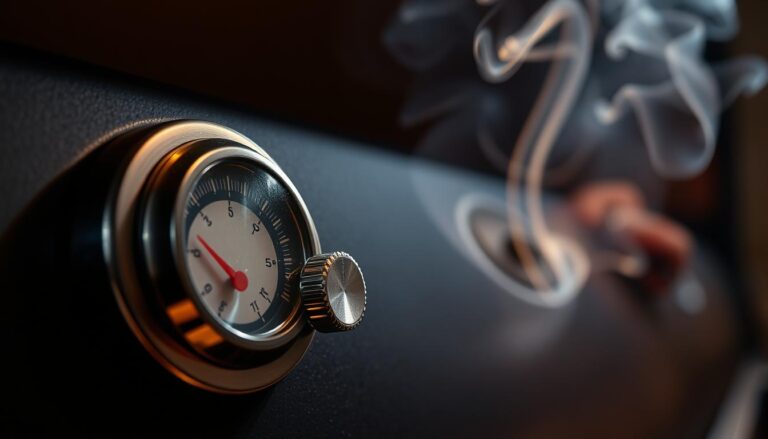
A gas grill heats fast like an oven and holds a steady temperature using dials and a lid gauge. That steady heat makes weeknight cooking easier.
- Turn a knob, press an ignitor, and you’ll be preheating in minutes.
- Multiple burners let you make zones for searing and finishing.
- Lower fuel cost per session if you cook often and value convenience.
Charcoal appeal: smoky flavor and hands-on learning
Charcoal grills are budget-friendly up front and give smoky character that many people love. They need a chimney starter and practice to manage coals and vents for a target temperature.
- A classic experience that rewards attention to airflow and coal placement.
- Avoid overusing lighter fluid; use a chimney and natural lump charcoal when possible.
Propane basics: storage, valves, and refills
Propane tanks are easy to swap or refill at hardware stores and some gas stations. Always open the tank valve before lighting and close it when you finish.
| Aspect | Gas Grill | Charcoal Grill |
|---|---|---|
| Startup | Ignitor and knobs — ready in minutes | Chimney starter — needs more time |
| Temperature control | Easy with burners and lid gauge | Managed via vents and coal placement |
| Storage & fuel | Propane tanks swap at stores; store extra outdoors | Keep coals and a chimney; plan ash cleanup |
| Experience | Set-and-cook convenience | Hands-on smoky results |
Light Your Fire: Reliable Startup Methods for Gas and Charcoal
A reliable startup routine saves time and avoids risky flare-ups when you light any grill. Start by reading your model’s manual. Safety first: keep the lid open for gas ignition and stand clear of vents and burners.
Gas and propane ignition
Open the lid, turn the closest burner to high, then press the ignitor until you hear the whoosh and see flame. Once lit, turn on other burners and preheat for several minutes to stabilize heat across the grate.
If the ignitor fails, light through the manual hole with a long match while keeping hands back. Follow your manual exactly.
Charcoal chimney method
Use a chimney with oiled newspaper or starter cubes under it. Fill with charcoal, light from the bottom, and wait until the coals glow and edges turn ashy-white.
Timing varies — expect 10 to 45 minutes depending on chimney size, wind, and coal type. Carefully dump coals to the lower grate and arrange hot and cool zones.
“Patience at startup earns steady heat and fewer surprises mid-cook.”
Lighter fluid cautions
Avoid overusing lighter fluid. If you must use fluid, apply sparingly and light immediately. Never add more fluid to active coals; that can cause dangerous flare-ups.
| Method | Key Step | Ready Cue |
|---|---|---|
| Gas ignition | Open lid, ignite one burner | Visible flame and steady burners |
| Manual match | Use long match via lighting hole | Quick safe light; follow manual |
| Charcoal chimney | Light from bottom, wait | Coals glowing and ashy |
Master Heat Control: Direct Heat, Indirect Heat, and Zone Cooking
Learning to move food between hot and cool areas of the grate gives you far more control than guessing at time alone. Zone cooking is simply placing food directly over flame for direct heat or next to it for indirect heat.
Setting up two zones is quick and reliable: on a gas unit, light one or more burners and leave at least one side unlit to create an indirect side. On a charcoal grill, rake most coals to one side so you have a hot side and a cooler side to move food to.
When to use each zone
- Use direct heat for quick sears: thin steaks, burgers, shrimp, and vegetables.
- Use indirect heat to finish chicken, sausages, and thick roasts without burning the exterior.
- Sear over the hot side, then shift to the indirect side to reach target temperature evenly.
Charcoal airflow and control
On charcoal setups, control temperature with the vents. Open vents for more oxygen and higher heat; partially close them to cool the fire. Watch for flare-ups and move food to the indirect side if flames rise.
“Sear for color, then finish gently to lock in juiciness.”
Prep, Clean, and Oil: The Right Way to Treat Your Grill Grates
A clean grate is the unsung secret behind even sears and fewer flare-ups. Heat the grill to burn off residue for a few minutes, then scrub the grate with a sturdy brush or a wad of foil held with tongs.
Burn-off and brush: removing ash and residue
Preheat the grill to loosen stuck bits, then clear debris so new food releases and sears better. Use a ball of foil or a metal brush to protect your hands from heat while you work.
Clean the bottom and remove ash periodically; excess ash can block airflow and change how the heat behaves next session. After cooking, crank the heat briefly to char sauces, then brush again while the grate is warm.
Oiling technique: folded towel with vegetable oil vs. sprays
Lightly dip a folded towel in vegetable or canola oil, hold it with tongs, and wipe the grill grates—don’t saturate. This method seasons cast iron and prevents sticky residue more safely than aerosol sprays.
Make sure to skip high-heat nonstick sprays; they can flare up and leave a tacky film. For cast iron, finish with a thin coat of oil to maintain seasoning and resist rust between cooks.
“A quick clean-and-oil habit keeps flavors bright and extends the life of your grate.”
- Preheat, then brush so new food sears cleanly.
- Use foil or a sturdy brush and keep tongs handy.
- Wipe with an oiled towel; avoid aerosol sprays.
Essential Grilling Tools: The Beginner’s Kit That Makes Cooking Easier
A small, smart kit of utensils speeds every cook and keeps safety front and center. Start with a few long-handled items that let you work over heat without worry.
Core pieces include long tongs for turning, a sturdy spatula for burgers and fish, and a solid grill brush to clean grates fast. Add an instant-read thermometer to master doneness and avoid overcooking, especially chicken.
Helpful extras
- Heavy-duty foil for packets and drip guards, plus a grill basket for small vegetables.
- Two rimmed baking sheets — one for raw food, one for cooked — to stop cross-contamination.
- Timer, hot pads or gloves, skewers, and a small caddy to keep everything within reach.
- For charcoal cooks: a chimney starter and a long match or stick lighter for clean ignition.
| Item | Why it matters | Quick tip |
|---|---|---|
| Tongs | Safer turning and handling over flames | Choose 16–18″ long, stainless steel |
| Thermometer | Removes guesswork on doneness | Instant-read models save time |
| Foil & sheets | Packets, drip control, and separation | Keep one sheet for raw, one for cooked |
| Brush & basket | Fast cleanup and small-item grilling | Replace brush heads if worn |
Time, Temperature, and Doneness: The Best Way to Nail Results
The best way to hit consistent doneness is to pair steady grill heat with an instant internal check. Use time as a guide, then let temperature decide when to pull food.
Keep the lid open for cuts 3/4-inch thick or less so you can watch the sear. Close the lid for thicker pieces to trap convection heat and cook more evenly.
Preheat a gas unit for about 10–15 minutes so the grate and ambient temperature stabilize. That improves browning and gives reliable minutes-per-side estimates.
Make sure you use an instant-read thermometer to verify safe doneness. Trust the numbers, not pokes or quick cuts that let juices escape.
- Plan minutes per side as a starter, then confirm with temperature.
- Account for carryover; thicker cuts can rise several degrees after removal.
- Avoid lifting the lid often—each peek drops heat and lengthens cooking time.
“Use the thermometer, not the poke—numbers win every time.”
| Situation | Action | Why it works |
|---|---|---|
| Thin steaks & fish | Direct heat, lid open, watch sear | Quick cook; prevents overcooking inside |
| Thicker cuts (1″+) | Close lid, indirect heat, check temp | Convection finish without burning exterior |
| Gas preheat | 10–15 minutes before cooking | Stabilizes grate and grill temperature for accurate timing |
Food Playbook: Simple, Beginner-Friendly Wins on Any Grill
Use these clear rules to match heat, time, and movement so your food finishes juicy and well browned. The guidance below gives quick cues you can follow by the minute and by feel.
Burgers and steaks
Burgers do best over medium-to-high direct heat. Plan about 8–10 minutes total for a medium burger and add cheese in the final minute to melt.
Steaks want high direct heat and a single flip. Aim roughly 9–12 minutes total for medium, depending on thickness. Rest steaks a few minutes before slicing.
Chicken and sausage
Use medium, indirect heat so the center cooks without burning the outside. Chicken parts and sausages need about 20–25 minutes, then a brief sear if you want char.
Fish, veggies, and sauces
Fish cooks fast on high direct heat—often near 10 minutes. Wrap delicate fillets in foil or use a basket and lightly brush with oil to prevent sticking.
Add sugary sauces or glazes in the last 3–5 minutes to avoid burning. Move items between sides when flare-ups start.
“Don’t press meat; use a thermometer to confirm doneness — that’s the best way to consistent results.”
| Item | Heat | Typical minutes | Key cue |
|---|---|---|---|
| Burger | Direct | 8–10 | Cheese in last minute |
| Steak (med) | Direct | 9–12 | Firm feel + thermometer |
| Chicken / Sausage | Indirect, medium | 20–25 | No pink center |
| Fish / Veg | High direct | ~10 | Firm flakes or color |
Troubleshooting and Pro Tips to Level Up Fast
Knowing a few recovery moves helps you stay calm and keep dinner on track. Use these quick steps to fix common issues and build reliable habits each session.
Sticking and flare-ups: Start with clean, hot grates and a light oil wipe using a folded towel. If food resists when you try to flip, give it another minute until it releases naturally.
Don’t press burgers or chicken. Use tongs to flip and move items between zones. That keeps juices in and prevents big flare-ups.
Crosshatch marks: Place food at a 45-degree angle on the hot side, watch for the first marks, then give a quarter turn before flipping for crisp crosshatch.
If flames surge: Move food to the cooler side, close the lid and the vents to smother the blaze. That lowers oxygen and calms things fast.
After-cook care: Burn off residue for about 15 minutes, then turn off burners and fuel. While grates are warm, brush them clean, lightly oil cast iron to season, and let the grill cool before covering.
“Small steps after each meal protect your investment and make every next cook easier.”
| Issue | Quick fix | Why it helps |
|---|---|---|
| Sticking | Clean hot grate + oiled towel | Reduces adhesion and improves sear |
| Flare-ups | Move to cool side; close lid & vents | Smothers flames and protects food |
| Greasy residue | 15-minute burn-off, then brush | Makes next session more consistent |
Keep essential tools near the grill: a brush, tongs, and an instant thermometer. These small steps build confidence and better grilling experience with each step.
Conclusion
One simple routine—preheat, clean, oil, set zones—shrinks the learning curve quickly. Repeat that way and practice will build confidence fast.
Trust your thermometer and move items between hot and cool sides as needed. Manage your heat source: keep propane tanks outdoors and ventilated, and use a chimney with charcoal to avoid lighter-fluid flavor.
Finish each session with a proper shutdown, cover the grill, and brush then lightly oil the grates. These small things protect fuel and tools and save time on your next cook.
Keep cooking, learn your grill’s behavior, and enjoy the steady gains in flavor and confidence.