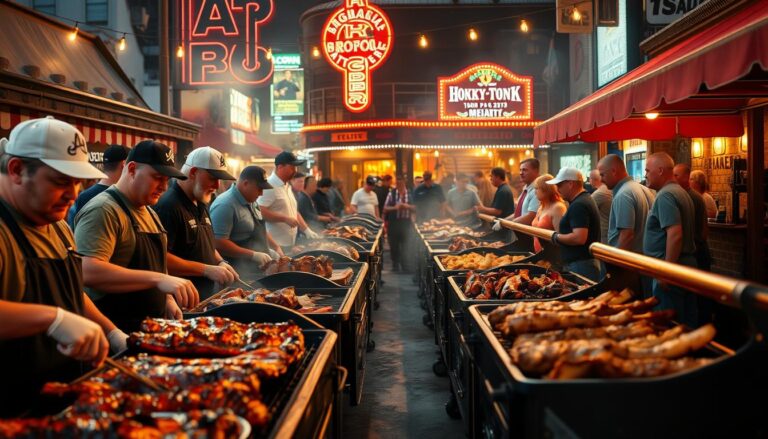
Elevate Your Meals with Delicious Smoked Meats Recipes
Weekends are perfect for firing up the smoker and turning simple cuts into crowd favorites. This guide shows a clear way to…
Weekends are perfect for firing up the smoker and turning simple cuts into crowd favorites. This guide shows a clear way to pick what to smoke next — whether you want chicken, pork, or beef — and how to manage time so dinner is ready when you are.
Expect bold flavor pairings like raspberry-glazed ribs, garlic Parmesan wings, and espresso-brined tri-tip. We cover quick projects that finish in a few hours and longer plans like brisket and spatchcocked turkey, with tips on temperature control and wood choice.
Each entry links to a tested recipe and explains tools that matter, from reliable thermometers to the right mop or sauce. Use these ideas as a launchpad to plan a menu that mixes starters, mains, and a showpiece with less guesswork and more payoff.
Key Takeaways
- Plan by time: pick short or long smokes to fit your schedule.
- Choose wood and thermometer for consistent results.
- Balance sauces, mops, and rubs to shape flavor.
- Start with wings or pork for easy, crowd-friendly dishes.
- Use tested methods to get recipe inspiration and repeatable success.
Kickstart your cookout season: easy smoker wins for the weekend
Start the weekend right with fast, high-impact smoker projects that wrap up in a few hours. These picks need little prep and let you enjoy company instead of standing over the grill.
Quick prep, big flavor: what to smoke in just a few hours
Build a quick-hit menu with items that finish fast: a five-hour smoked pork butt, hot dog burnt ends, and smoked skirt steak tacos make big impressions with minimal fuss. Add smoked chicken wings like garlic Parmesan for a crisp finish and real cheese with plenty of garlic.
- Try pork ribs with a front-loaded glaze for competition-style flavor without an all-day commitment — get recipe and get smoking fast.
- Texas Twinkies and juicy Lucy burgers bring playful crowd appeal and melty centers that finish in under a few hours.
- Buttermilk-brined chicken nachos and pork belly sandwiches are fast, tender, and packed with texture.
- Finish with a simple dump cake that bakes in a pellet smoker or in the oven if you need smoker space for mains.
Pro tip: pick two mains and one easy side, set the smoker, and relax. This way you win at cooking and still enjoy the afternoon.
Delicious smoked meats recipes to try right now
Here’s a curated list of pitmaster-tested plates that span quick weeknight wins and all-day showstoppers. Use this as a menu map so you can pick by time, tool, and crowd size.
From ribs to wings: a roundup inspired by pitmasters and pros
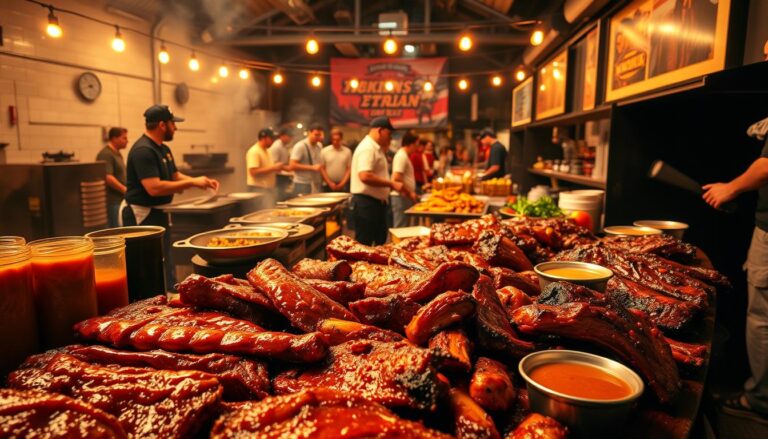
Start bold: tender dino beef ribs with a crunchy, chili-spiked bark and slow-smoked brisket paired with a Zinfandel-based barbecue sauce anchor any cookout.
Make room for pork: mustard-and-brown-sugar pork shoulder and pork belly piled on white bread with pickles and onion offer deep smoke and satisfying bite.
Wings and quick hits keep the party moving. Garlic Parmesan wings and gochugaru-rubbed St. Louis ribs shine, while Texas Twinkies and hot dog burnt ends deliver fast rewards.
- Chicken: spatchcocked, overnight dry-brined bird for even cook and juicy texture — get recipe for exact timing.
- Burnt ends & sauces: sticky Bourbon burnt ends and Big Bob Gibson–style Alabama white sauce add classic contrast.
- Every pick links to a detailed recipe so you can get recipe temps, time, and technique right.
Essential smoker setup and tools for flavorful results
A steady fire and accurate temps are the backbone of repeatable results when you cook on a smoker. Start with gear that removes guesswork: a calibrated instant-read and a leave-in probe keep internal temps precise so your brisket and poultry hit target tenderness every time.
Choosing wood, managing temperature, and must-have thermometers
Pick wood to match the meat and sauce profile. Pecan pairs well with espresso-brined tri-tip, fruit woods lift salmon and poultry, and post oak or hickory builds that pepper-forward bark on brisket.
Stabilize temperature with clean-burning fuel and good airflow. Add small amounts of fuel often to avoid bitter smoke. Use drip pans to speed up short cooks — quick-smoked duck can take about 30 minutes with the right setup.
Apply a thoughtful dry rub: coarse black pepper is essential for brisket bark, while garlic, onion, cumin, and brown sugar suit spatchcocked chicken. Spritz or mop with a vinegar-cayenne mix for turkey to balance richness.
- Thermometers: instant-read for spot checks, leave-in probe for chamber and roast tracking.
- Workflow tip: log wood, chamber temp, and weather so your smoker recipes become predictable.
- Sauce timing: avoid saucing early; finish with warm sauce after resting to protect bark and shine.
Smoked pork favorites: butt, belly, ribs, and more
Pork lovers will find a range of weeknight and weekend projects that showcase rendered fat, caramelized glazes, and crunchy edges. Pick a cut that fits your time and crowd, then dial the wood and temp to match.
Five-hour pulled pork with brown sugar and mustard
Try a five‑hour pork butt for fast, tender pulls. Slather with mustard, coat in a brown sugar rub, and use a hotter, controlled smoke to lock in moisture and bark. Get recipe details to hit target temps and rest times.
Pork belly piled on white bread
Cube pork belly and slow-smoke until edges crisp and centers stay chewy. Serve stacked on sliced white bread with tangy pickles and raw onion for contrast. Get recipe notes for smoke time and slicing.
Raspberry-glazed ribs and Bourbon burnt ends
For showy pork ribs, finish with a competition-style raspberry glaze that sets glossy color. For bite-sized ends, caramelize cubes in a bold Bourbon sauce until sticky and rich. Both hits pair well with a peppery rub and acid to cut fat.
- Quick option: smoked pork tenderloin brushed with maple syrup and a house rub for fast caramelization.
- Plan tip: use belly or ends for apps and a pulled shoulder for the main to cover texture preferences.
- Get recipe: follow precise temps, wood choice, and timing so results repeat all season.
Smoked chicken, wings, and drumsticks packed with flavor
Home cooks can turn simple chicken into a stand-out course with a few smart techniques and bright sauces. Focus on brine, a balanced rub, and finishing sauces to make every bite sing.
Garlic Parmesan wings with real cheese
Garlic Parmesan smoked chicken wings use real Parmesan and plenty of garlic for umami depth. They finish in under an afternoon and pair well with a crisp slaw.
Alabama white sauce on drumsticks
Smoked chicken drumsticks shine with Alabama white sauce. That peppery mayo‑and‑vinegar blend can include horseradish for extra kick; brush just before serving to keep skin snappy.
Buttermilk‑brined chicken nachos
Buttermilk‑brined smoked chicken nachos highlight tender, shreddable meat that holds up to cheese and jalapeños. Texture matters—the brine and smoke add depth without masking topping flavors.
Spatchcocked chicken with a simple rub
Spatchcocked smoked chicken cooks evenly after an overnight dry brine. Use a simple rub of garlic, onion, cumin, and brown sugar to balance sweet and savory notes.
“Grab the get recipe links to lock in brine ratios, target temps, and rub measurements so your chicken turns out consistently every time.”
- Pairing tip: serve wings with a salad and drumsticks with white sauce on the side.
- Tool tip: use a reliable thermometer to pull at the right internal temp for juicy results.
- Get recipe: follow exact timings and rub amounts for repeatable flavor from your smoker.
Beef on the smoker: brisket, tri‑tip, dino ribs, and tacos
From all-day barbecues to fast carne asada, beef on the smoker rewards a steady plan and clear temps. Pick two or three cuts and set dual thermometers so you track grate and meat without constant fiddling.
Slow‑smoked brisket with peppery bark
Aim for a peppery bark and low, steady heat. A smoked brisket develops deep flavor over roughly a 10‑hour cook. Rest well and pair with a fruit-forward Zinfandel-based sauce for contrast.
Espresso‑brined tri‑tip smoked with pecan
Espresso-brined tri‑tip takes pecan smoke beautifully. The coffee edge blends with nutty smoke for a silky, medium-rare center. Slice thin and serve warm. Get recipe notes for brine time and target temps.
Tender beef ribs with a crunchy, chili‑spiked bark
Dino beef ribs love a bold rub: salt, pepper, garlic, chili powder, onion, and cayenne. That mix creates a crunchy, chili‑spiked crust that crackles when sliced. For sticky bites, finish some cubes as burnt ends in a glossy Bourbon sauce.
Smoked skirt steak tacos (carne asada)
Quick smoke and sharp slicing are the keys. Cook skirt steak briefly, then cut across the grain for tender tacos. Get recipe timing so every bite of meat stays juicy and easy to eat.
Turkey, duck, and salmon that shine on smoke
Poultry and fish reward a light hand with smoke—gentle wood and measured heat keep textures clean and bright.
Spatchcocked smoked turkey cooks faster than a whole bird and roasts evenly. Use a spicy-sweet rub and mop with a vinegar-cayenne mix as it cooks to keep the skin glossy and the breast juicy.
Chipotle‑kissed turkey drumsticks
Dry-brine drumsticks, coat with chipotle, and smoke until they reach a deep mahogany color. These handheld pieces have big, portable flavor—perfect for tailgates. Grab the get recipe links for exact brine times and temps.
Quick‑smoked duck with peach glaze
Set a drip pan and smoke duck for about a half hour over fruit wood to avoid bitter smoke. Finish with a peach‑sweetened barbecue sauce for a glossy finish that balances rich skin and tender meat.
Dry‑brined salmon with pineapple‑barbecue glaze
Smoke a whole side after a short dry brine and brush frequently with a pineapple-barbecue glaze. The layers of sweet heat and shine make salmon a buffet cornerstone.
| Protein | Key Finish | Smoke Time |
|---|---|---|
| Spatchcocked turkey | Vinegar‑cayenne mop | 2–3 hour (depending on size) |
| Turkey drumsticks | Chipotle dry-brine | 1.5–2 hour |
| Duck | Peach barbecue sauce | ~0.5 hour (quick smoke) |
| Salmon side | Pineapple‑barbecue glaze | 1–2 hour (low heat) |
Quick tips: use gentle fruit woods for poultry and fish, and if timing forces an oven finish, cover with parchment and foil to protect juices. Get recipe links to lock in brine ratios and exact smoke times so each meat keeps peak texture and flavor on the smoker.
Creative crowd‑pleasers: Texas Twinkies, Juicy Lucys, and hot dog burnt ends
Turn your appetizer round into a crowd festival with handheld bites that travel well and deliver bold contrast in every mouthful.
These starters are made to share: mix spicy, salty, and oozy elements so guests keep coming back. Plan batches so apps hit the table while larger cuts rest.
Texas Twinkies stuffed with smoked brisket
Jalapeños filled with brisket and cheese, wrapped in bacon, create a perfect sweet-heat-fat balance. This idea — popularized by Hutchins BBQ in McKinney, TX — is a handheld crowd-pleaser that pairs well with a tangy vinegar sauce.
Tip: get recipe directions for timing so bacon renders without overcooking the filling.
Smoked Juicy Lucy burgers (bring extra napkins)
Juicy Lucys hide molten cheese at the center and build a smoky crust around a beef patty. They’re messy in the best way and reward quick service with napkins on the side.
Tip: use a short sear on the grill or smoker to lock cheese inside and hit target doneness; get recipe notes for burger temps and sealing method.
Smoked hot dog burnt ends for a fun, fast bite
Cube franks, season, smoke briefly, and glaze for sticky-sweet hot dog burnt ends. They transform everyday franks into snackable nibbles that go fast.
- Offer a simple sauce flight: vinegar, creamy white, and a peppery tomato base so guests pick their way.
- Mix proteins for variety; pair beef Twinkies with chicken skewers or a quick pork belly bite.
- Keep the smoker steady and organize batches so apps roll out while mains rest.
| Appetizer | Main Protein | Quick Tip |
|---|---|---|
| Texas Twinkies | beef (brisket) | Render bacon slowly; serve with vinegar sauce |
| Juicy Lucy | beef | Seal stuffed patty; serve hot with napkins |
| Hot dog burnt ends | pork (hot dog) | Cube, smoke briefly, glaze sticky |
Get recipe links for exact temps and times so these party starters land perfectly from smoker to table.
Rubs, sauces, and mops: from white sauce to maple and brown sugar
Bright, balanced finishing sauces and sturdy dry rubs make the difference between good and memorable pit work. Start by building a simple dry rub from salt and coarse black pepper, then layer garlic and a touch of cayenne to taste.
Classic dry rubs: salt, pepper, garlic, and a touch of cayenne
Keep texture in mind: coarse granules make a better bark on ribs, while a finer grind sticks to chicken skin. Adjust sweetness for long cooks; add brown sugar for pork and cut it back on beef.
Alabama white sauce, Zinfandel‑based barbecue, and vinegar‑cayenne mop
Big Bob Gibson’s white sauce blends mayo, vinegar, and black pepper; some pros add horseradish for extra lift. For brisket, a Zinfandel‑based bbq sauce brings jammy depth that complements a peppery bark.
Turkey loves a vinegar-cayenne mop—brush sparingly to keep meat moist and bright without drowning smoke.
Maple syrup and brown sugar glazes for pork and chicken
Maple syrup mixed with a signature rub makes a glossy finish for pork tenderloin and ribs. Brush glazes near the end of the cook to avoid burning, and batch sauces ahead so you can get recipe measures and sauce hot off the pit.
- Pro tip: rotate a white sauce, a tomato‑pepper bbq sauce, and a vinegar mop at the table so guests can pick favorites.
- Get recipe: follow exact measurements when you batch sauces to nail consistency every time.
“Batch sauces ahead and brush late—this preserves bark, boosts shine, and speeds service.”
Timing, temps, and an easy path from smoker to table
Map the day by hours and temps so brisket, wings, and quick birds all finish without stress. Brisket can run just over 10 hours with under an hour of active time. Quick-smoked duck or wings wrap in about 30 minutes to an hour.
Start with a timeline: slot long cooks first, then plan short, high-impact items to fill gaps. Use a cook smoker checklist—wood, fuel, probes, and pans—so you’re ready before lighting up.
For ribs, spritz with red wine vinegar every 30 minutes during key stages to keep the bark moist. For pork shoulder, layer a mustard slather and brown sugar before the smoke to build lasting flavor.
- Track internal temps, not just clock time; pull beef and poultry at target temps and let rest.
- Have holding options ready: low oven or dry cooler keep food hot without overcooking.
- Write down what worked per recipe so the next cook is smoother.
“Plan the handoff: slice or pull, then sauce or mop at service so texture and temperature stay perfect.”
Conclusion
,Wrap up your plan with a clear, doable menu that balances quick hits and all‑day showpieces.
Use get recipe links to lock in temps, wood choices, and finishing moves so every recipe hits the mark. Keep a thermometer handy to protect doneness across chicken, pork, and beef.
Rotate apps and mains—garlic Parmesan chicken wings, five‑hour pork butt, and espresso‑brined tri‑tip—so guests get variety without extra stress. Tailor sauces, mops, and rubs to match each cut and preserve peak flavor.
Get recipe notes before you fire up the smoker and follow timing so smoked chicken drumsticks, smoked pork belly, and smoked beef cuts arrive at their best.