Traditional BBQ vs. Modern Barbecue Trends
Slow, soulful pit methods meet smart, app-driven cooks. The U.S. grill scene in this year blends time-honored smoke with tech that makes…
Slow, soulful pit methods meet smart, app-driven cooks. The U.S. grill scene in this year blends time-honored smoke with tech that makes great food easier to reach. The market tops USD 5.28 billion in 2024 and is growing toward $7.08 billion by 2030, so demand for smoky, slow-cooked flavors keeps climbing.
Home yards and restaurants both feel the shift. Brands like Traeger, Weber, and Green Mountain Grills add Wi‑Fi, Bluetooth, and AI guides to help first-time cooks nail a brisket or rack of ribs. At the same time, regional sauces and global plates, from Texas brisket to Korean galbi, expand what people expect from outdoor cooking.
The backyard experience now pairs wood smoke with app-controlled temps on a single grill, without losing that communal vibe. This guide will map how heritage methods and data-driven gear work together, and give practical tips for flavor, smoother cooks, and memorable gatherings.
Key Takeaways
- Smoky, slow-cooked food remains in high demand and drives market growth.
- Smart grills from Traeger, Weber, and Green Mountain Grills add convenience.
- Regional styles and global flavors expand the category without losing roots.
- Backyard cooks can blend wood smoke and app control for better results.
- This guide offers practical tips to improve flavor and the overall experience.
How American barbecue reached today’s turning point
Grassroots pitmasters, growing grill ownership, and mobile kitchens combined to reshape how Americans eat smoked meat.
Regional styles — Texas brisket, Carolina pulled pork, Kansas City ribs, and Memphis dry rubs — gave cooks clear identities and drew food tourism. Those local recipes became the backbone for chains and pop-ups alike.
The U.S. grill and smoker ownership rate sits near 64%, and the global grill market is USD 5.28B in 2024 with a projected rise to USD 7.08B by 2030 (5.1% CAGR). This steady market growth made smoked meats and sides easier to find outside a single pit.
Experiential formats — food trucks, pop-ups, festivals, and catering — expanded reach. They brought slow-smoked plates to new neighborhoods and built demand for craft sauces and small-batch rubs that tell a story.
- Tech meets craft: Connected devices lower the barrier for first-time cooks.
- Scale and consistency: Franchises like Dickey’s and Mission BBQ grow while keeping flavor predictable.
- Health and access: Leaner cuts and lighter sauces welcome more diners.
These forces converge so that legacy methods stay influential even as new approaches make smoking and cooking more approachable for all.
Traditional BBQ vs. modern barbecue trends: what’s changing and what stays sacred
Mastering smoke and steady heat stays vital, even as kitchens adopt connected tools and fresh ingredients. Classic regional styles — Texas brisket, Carolina pulled pork, Kansas City sweet-and-smoky ribs, and Memphis dry rubs — still shape menus and local pride. Artisanal, house-made sauces and rubs remain key ways cooks set themselves apart.
Time-honored techniques: wood, charcoal, low-and-slow smoking, and pitmasters’ craft
Pitmasters build flavor through low-and-slow methods, careful smoke management, and steady heat control. Wood choice and charcoal fire craft make bark, texture, and depth in meat. Many cooks keep simple salt-and-pepper recipes and family rubs as anchor points.
Modern shifts: convenience tech, new ingredients, and evolving dining expectations
Connected probes and smarter devices cut guesswork and free cooks to focus on the art of fire. New pantry items — global spices, lighter glazes, and vinegar-forward sauces — join the classics to broaden plates. Diners now expect transparency, cleaner labels, and balanced portions alongside celebration-worthy trays.
- Core preserved: low-and-slow techniques and craft remain central.
- Wood and charcoal: flavor builders that keep heritage methods essential.
- Adaptation: tech and new ingredients amplify, not replace, pit skills.
Technology at the pit: smart grills, hybrid fuel, and greener outdoor cooking
New gear pairs digital control with smarter fuels to make great cooks repeatable and cleaner. Wi‑Fi and Bluetooth smokers from Traeger, Weber, and Green Mountain Grills let you monitor temps, change heat, and set timers from a phone or voice assistant.
Connected cooks and AI help
Smart thermometers and apps send alerts to wrap brisket, pull ribs, or rest pork and chicken at the right time. AI cook modes adjust heat and airflow based on cut, weight, and weather for steadier results.
Fuel and build options
Choose pellet convenience, induction precision for tight control, or hybrid units that mix pellet+charcoal or gas+wood. These options let you layer smoke flavor while still searing when needed.
Greener gear and restaurant timing
Cleaner pellets, bio‑briquettes, and solar cookers cut emissions without losing taste. Recycled-metal builds and rechargeable accessories lower waste. Restaurants pair POS timing with cook cycles to keep service smooth and margins healthy.
“Let technology manage the heat so you can focus on seasoning and the human touch.”
Tip: start with a dependable smart thermometer before upgrading to bigger tech.
Flavors and menus: from regional tradition to global fusion and plant-based BBQ
Menus now stitch regional icons with global sauces to keep plates familiar yet surprising. Chefs lean on Texas brisket, Carolina pulled pork, Kansas City ribs, and Memphis dry rubs as anchors for guest loyalty.
Global influences—Korean gochujang, chimichurri, za’atar, and tamarind—layer new tastes onto those cuts. Small-batch sauces and house rubs give operators margin and a story to sell.
Craft, health, and plant-forward plates
Heritage meats and regenerative sourcing appeal to diners who want provenance. At the same time, smoked cauliflower, eggplant steaks, and mushrooms bring plant-based bbq options that still carry smoke and spice.
“Small-batch sauces and smart pairings turn a classic pit plate into something memorable.”
- Pairings: brisket with miso glaze; ribs with tamarind lacquer; pork with chimichurri; smoky chicken with peri‑peri.
- Sides: pickles, fermented accents, artisan breads, and seasonal vegetables balance richness.
- Menu idea: rotate limited-time rubs or sauces to drive repeat visits.
| Plate | Global Accent | Best Pairing | Audience |
|---|---|---|---|
| Brisket | Miso glaze | Pickled veg, sourdough | Loyalists & curious diners |
| Ribs | Tamarind lacquer | Fermented slaw | Families & groups |
| Pork | Chimichurri | Grilled greens | Food tourists |
| Smoked veg | Za’atar or peri‑peri | Whole-grain sides | Health-minded diners |
The BBQ market now: restaurants, food trucks, franchises, and prices shaping the scene
Restaurant operators, food trucks, and caterers now shape where—and how—people enjoy smoked and grilled fare. The market shows real momentum: global grills rose to USD 5.28B in 2024 and are projected to hit USD 7.08B by 2030. Roughly 64% of U.S. adults own a grill or smoker, so demand is broad and steady.
Growth snapshot
The market supports many formats. Casual restaurants report $50k–$125k monthly with 10–15% margins. Fast-casual brings $40k–$100k and 8–12% margins. Upscale spots can reach $100k–$200k with 15–20% margins. Food trucks run $10k–$50k monthly and often push 20–30% margins.
Food trucks and pop-ups
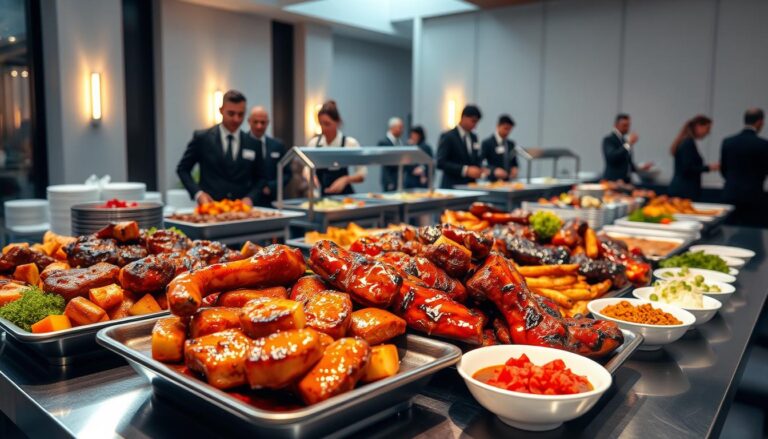
Mobility and low overhead let food trucks and pop-ups chase neighborhoods and events. These formats create buzz with limited drops and local collaborations. That agility expands audience reach without heavy rent or buildout costs.
Catering and franchise expansion
Catering delivers high margins when backed by batch prep, packaging systems, and precise timing. Franchises like Dickey’s Barbecue Pit and Mission BBQ scale by standardizing menus and processes to keep quality consistent across locations.
Cost and operations
Protect margins through menu engineering, portion control, and cross-training staff. Preventative maintenance and energy-efficient equipment cut downtime and bills.
- Use POS, online ordering, and loyalty tech to smooth service and boost repeat business.
- Leverage data to tune SKUs, pace cook cycles, and align inventory to peak demand.
“Smart investments balance guest experience with profitability in a competitive market.”
| Format | Monthly Revenue | Typical Margin |
|---|---|---|
| Casual restaurants | $50k–$125k | 10–15% |
| Fast-casual | $40k–$100k | 8–12% |
| Upscale | $100k–$200k | 15–20% |
| Food trucks | $10k–$50k | 20–30% |
Experiences and communities: how diners discover and enjoy barbecue today
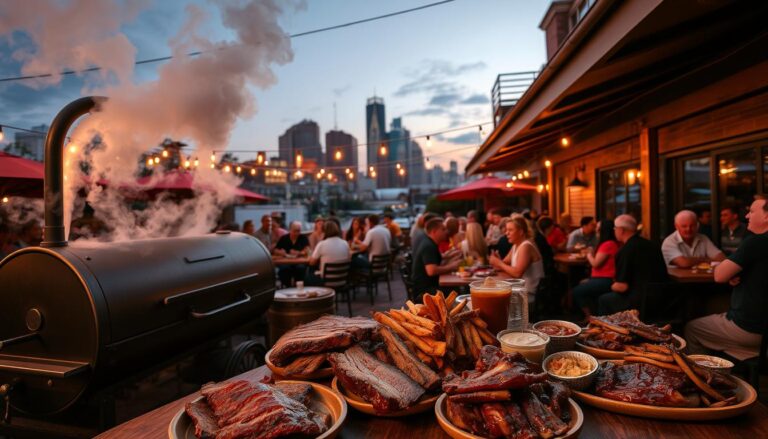
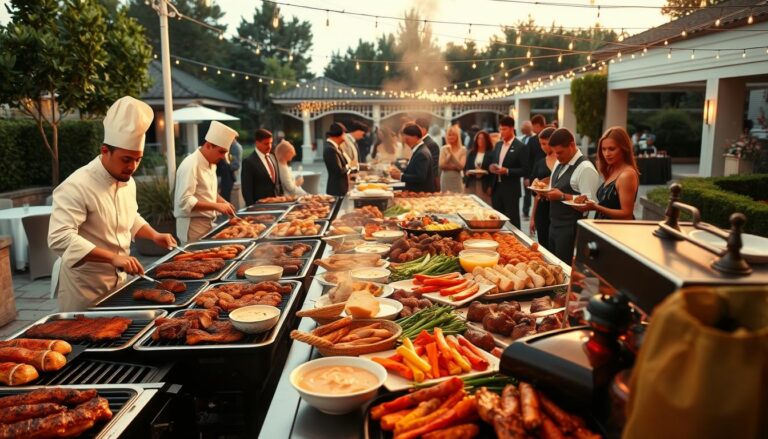
Dining now centers on shared moments where cooking becomes part of the show. Hosts stage tabletop grills, live-fire dinners, and pop-up parties so guests cook, taste, and talk together.
Interactive dining and events
Tabletop grills and outdoor gatherings put cooking in guests’ hands. Pop-ups pair live music with communal seating to make every event feel like a celebration. Tasting flights and short demos let people sample new dishes and learn fast.
Transparency and wellness
Menus that list sourcing and calories build trust. Lighter, vinegar- or spice-forward profiles appeal to health-minded diners while keeping bold flavor. Clear notes help customers pick plates that fit their goals.
BBQ lifestyle and tourism
Gear, apparel, and collectible tools turn outdoor cooking into a hobby and identity. Road trips to Memphis, Texas Hill Country, and South Carolina drive tourism and spread regional ideas back home.
Make events memorable: combine a short grilling demo with a tasting flight. Offer inclusive menus that mix classics with lighter options so everyone feels welcome.
“Community grows when great food meets hands-on participation and authentic storytelling.”
- Shared experiences spark social discovery through short videos and recipes.
- Hosts should pair demos with tasting flights to boost engagement.
- Clear sourcing and nutrition notes increase trust and repeat visits.
Buying, cooking, and sharing: practical tips for home grillers and pitmasters
Good results start with smart choices: pick a grill or smoker that fits your space, budget, and the styles you enjoy. Small decisions—size, fuel, and control—shape every cook more than fancy accessories.
Start smart: choose gear, test flavors, and record what works
Begin with a reliable thermometer. Smart probes are a game changer for consistent cooks. Wi‑Fi and Bluetooth grills let you adjust temps from your phone so you avoid overcooking while you host.
- Pick the right tool: match a smoker for low-and-slow cooks and a searing-friendly grill for high heat. Hybrid or modular options cover both needs.
- Test small: try new rubs and sauces on chicken wings or vegetables before you commit to big meats. Adjust salt, acid, and sweetness until the flavor lands.
- Document recipes: log fuel, temp, time, and seasoning so you can repeat wins and fix misses.
- Plan back from service: allow time to rest protein for juiciness, and rotate meats and vegetables to keep cooks fresh.
“Start simple, learn fast, and share what you make—feedback is one of the quickest paths to better cooking.”
Keep a small global pantry—gochugaru, chimichurri, za’atar, tamarind—and you can lift weeknight plates with little effort. Share meals with friends and family to test ideas and grow your skills together.
Conclusion
The future of outdoor cooking blends hands-on craft with connected gear and cleaner fuels.
Smart grills from Traeger, Weber, and Green Mountain Grills are helping cooks hit steady heat and repeatable results. Sustainable pellets, bio‑briquettes, and solar options make greener choices easier as the market rises from USD 5.28B in 2024 toward USD 7.08B by 2030.
Regional anchors like brisket, pork, and ribs still lead menus, while plant-based bbq and charred vegetables broaden appeal. For restaurants, disciplined ops and tech-forward ordering drive growth. For home cooks, pick the right grill, learn your heat, and log each cook.
Keep the craft of wood and charcoal alive, but use smart tools to make better food and richer experiences around the fire.