The Best Cuts of Meat for Smoking
Get ready to level up your backyard BBQ. This compact guide shows which cuts shine on a steady smoker and why low-and-slow…
Get ready to level up your backyard BBQ. This compact guide shows which cuts shine on a steady smoker and why low-and-slow heat makes fatty, connective-rich pieces turn tender and juicy.
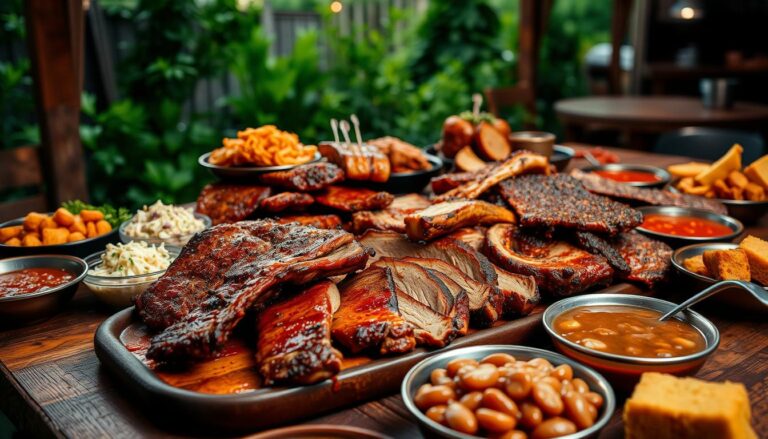
We’ll preview staples like brisket, chuck roast, pork butt, and spare ribs, plus crowd-pleasers such as whole chicken, wings, sausages, and prime rib. Expect clear temperature ranges and target times, from brisket’s 225–250°F pace to ribs done hot-and-fast at 300°F.
You’ll also learn simple wood pairings—mesquite and hickory for bold flavor, fruit woods for lamb and prime rib—and when to wrap, sear, or rest so slices hold juices.
Key Takeaways
- Low-and-slow brings out rich texture in fattier beef and pork.
- Match wood to the cut: hickory/mesquite for bold, fruit woods for delicate flavor.
- Use temp targets to plan: brisket 225–250°F, pork butt 225–250°F, ribs vary by method.
- Wrap mid-cook when stall issues appear; rest before slicing.
- Smoker choice and timing help you hit tenderness without guesswork.
Editor’s picks: the best cuts of meat for smoking right now
Focus on cuts with fat and connective tissue and the smoker will do most of the work for you.
Low-and-slow transforms tough pieces into tender, juicy plates. Fat bastes as it renders and collagen breaks down into gelatin. That process concentrates flavor and keeps slices or shreds moist.
Here’s a quick look at top picks and what to expect from each. Times and temps help you plan the cook and hit the best results.
- Brisket: 225°F, ~90–120 minutes per pound; mesquite or hickory pairs well.
- Chuck roast: finish ~205°F in 5–6 hours for pulled-style beef.
- Beef ribs: try hotter at ~300°F to build crust and reach ~210°F.
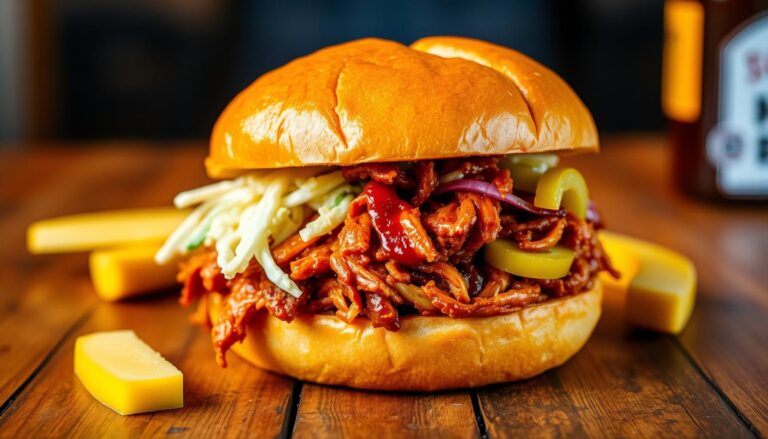
- Pork butt: 225–250°F, 8–10 hours; wrap midway to speed finish.
- Spare ribs: 225°F, 3-2-1 method works for tender, balanced bites.
- Whole chicken: 225–250°F, ~40 minutes per pound with aromatics in the cavity.
| Cut | Temp | Time Estimate | Wood Pairing |
|---|---|---|---|
| Brisket | 225°F | 90–120 min per lb | Mesquite / Hickory |
| Chuck roast | 225–250°F | 5–6 hours to ~205°F | Hickory / Pecan |
| Pork butt | 225–250°F | 8–10 hours, wrap mid-cook | Oak / Apple |
| Whole chicken | 225–250°F | ~40 minutes per pound | Apple / Cherry |
Beef all-stars: brisket, chuck roast, and beef ribs that shine on a smoker
Give these big beef pieces steady heat and clean smoke and they’ll reward you with deep flavor and tender texture.
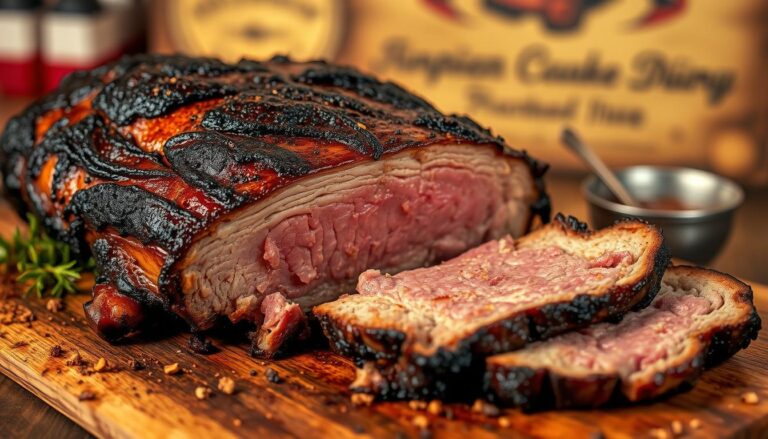
Beef brisket
Plan long cooks: aim 225–250°F and roughly 90–120 minutes per pound. Many full briskets need 10–14 hours at that temperature.
Finish when a probe slides in with a buttery feel near an internal temperature of 200–205°F rather than chasing a single number.
Oak, hickory, or mesquite layer bold wood flavor that complements natural beef richness.
Chuck roast
Think of chuck as the weekend brisket. It usually hits pull-ready texture in about 5–6 hours and finishes near 205°F.
Hickory or pecan helps build a dark, flavorful bark while the center turns tender for shredding.
Beef ribs (plate/chuck)
Plate and chuck ribs are meatier than back ribs and respond well to higher heat. Try ~300°F to develop a craveable crust.
Ride to roughly 210°F and look for bone pullback and a slight jiggle as finish cues.
- Keep surfaces dry before seasoning to aid bark formation.
- Manage airflow so smoke stays thin and blue—avoid heavy white smoke.
- Wrap brisket or chuck after a good crust if you need to push through a stall without drying the center.
- Rest generously—often an hour or more—to let juices redistribute before slicing or pulling.
“Low, steady temperature and patient resting are the real tricks that turn tough beef into tender plates.”
Beyond the usual: tri-tip, top round, flank steak, and sirloin on the smoker
Lean steaks can gain surprising depth when you smoke them briefly, then finish hot for color and bite. These cuts need careful timing, because they have less fat but plenty of beef flavor.
Tri-tip
Reverse-sear wins: give tri-tip a short smoke to soak up wood, then blast on a hot grill to a rosy 135°F. Slice across the grain for clean, tender portions.
Top round
Smoke at 225–250°F to a target of 135°F using oak wood to balance the roast’s lean profile. Slice thin across the grain to avoid a chewy bite.
Flank steak
At about 225°F, aim for ~145°F for a balanced chew. Bold woods like hickory or mesquite stand up well to flank steak’s strong beef character.
Top sirloin
Top sirloin benefits from a short marinade before smoking at 225°F to ~145°F. Rest 10–15 minutes, then slice thin to keep juices locked in.
- Watch temperature closely; lean cuts can overcook in minutes due to carryover.
- Ask your butcher for even thickness to improve cook consistency and edge quality.
Pork classics for big flavor: pork butt and ribs
Pork shines when low heat breaks down fat and collagen into tender, shreddable bites.
Pork butt (Boston butt) thrives at 225–250°F and usually needs 8–10 hours to reach pull-apart texture. Wrap midway to push through the stall and keep the center moist.
Pork shoulder roast
Pull when the probe slides in with little resistance near an internal temperature of ~200°F. Rest it well so the shoulder relaxes and shreds cleanly.
Spare ribs and baby backs
Spare racks do great at 225°F. The 3-2-1 method smokes 3 hours, foils 2 hours with butter and honey, then finishes 1 hour unwrapped. Baby backs cook faster; watch texture to avoid drying.
- Remove the membrane for better seasoning penetration.
- A light spritz of apple cider keeps bark from getting too hard.
- Keep smoke thin and steady to avoid harsh flavors when pairing with beef sides.
| Cut | Temp | Hours | Finish cue | Wood |
|---|---|---|---|---|
| Pork butt | 225–250°F | 8–10 | Probe slides in, ~200°F | Oak / Apple |
| Spare ribs | 225°F | 6 | Fork-tender after 3-2-1 | Hickory / Cherry |
| Baby backs | 225°F | 3–5 | Meaty bend, not dry | Apple / Pecan |
Poultry that pops: whole chicken and wings
Poultry responds quickly to steady smoke, so whole birds and wings are smart picks when you want big flavor without an all-day commitment. Use a reliable thermometer and keep vents steady for clean heat.
Whole chicken: smoke at 225–250°F and plan roughly 40 minutes per pound. Tuck aromatics like lemon, onion, and herbs into the cavity to boost aroma. Dry the skin, rub a light oil on the surface, and rest 5–10 minutes before carving to lock juices.
Wings: dry-rub and smoke at 225–250°F to an internal temperature of 165°F. For crisp skin, finish briefly over higher heat or under a broiler. Sauce after the cook to avoid burnt sugars and toss in a bowl for even coating.
- Wood choices: hickory, pecan, or mesquite—use sparingly to enhance, not overpower.
- Spatchcocking speeds the cook and evens heat across the bird.
- Wings offer a lighter counterpoint when serving beef alongside.
“Let the bird rest a few minutes; it makes carving easier and keeps every bite juicy.”
Crowd-pleasing upgrades: prime rib, sausages, turkey
Take three classic proteins and turn them into headline dishes with steady technique and small finishing moves.
Prime rib responds beautifully to gentle smoke. Cook at 225–250°F until the center reaches 130°F for medium-rare, then give it a hot sear on a grill or cast iron to form a deep crust. Robust woods like hickory, mesquite, or oak add backbone without stealing the roast’s buttery texture.
Fresh sausages thrive at low heat. Smoke at 225°F for about 2–3 hours and finish when the internal temperature hits 165°F. Keep smoke thin and blue to avoid harsh notes, and never pierce casings—juices and flavor stay inside.
Turkey is a great centerpiece when brined and tended. For 12–14 lb birds, plan roughly 30 minutes per pound at 225–250°F. Baste occasionally and keep vents steady so the smoker holds temperature and the skin browns evenly.
- Prime rib: rest well, then slice long for a striking presentation.
- Sausages: avoid punctures and use a quick sear if you want extra texture.
- Turkey: brine first and plan carving order so slices stay warm and juicy.
“Small, steady steps—low heat, clean smoke, and a brief finish—lift these proteins into true crowd-pleasers.”
Underrated winners: lamb shoulder and leg, beef cheeks
Give a few specialty roasts steady smoke and a braise, and they transform into silky, rich plates.
Lamb shoulder technique
Start hotter: push temperature to 250–300°F until the interior reaches 165–170°F.
Wrap in a sauce or braising liquid and finish to ~200°F. After cooking, rest the shoulder insulated for an hour.
This yields pulled lamb with deep, savory flavors and a tender mouthfeel.
Lamb leg guidance
Keep a steady 225°F and pair with fruit woods like apple or cherry.
Pull at about 145°F for balanced smoke and a pleasant taste. Note the leg’s shape gives two textures: leaner shank and richer sirloin.
Beef cheeks approach
Low-and-slow combo: smoke about 3 hours, then braise roughly 3 more hours.
That schedule breaks down collagen into silky strands, making a roast-worthy, barbacoa-level result.
- Maintain clean airflow and steady heat to protect delicate flavors.
- Use rubs like garlic, rosemary, cumin, or coriander to complement lamb.
- Ask your butcher for even thickness and well-trimmed cheeks to ease timing.
“Slow smoke, then a gentle braise, turns humble muscles into something you’ll want to serve twice.”
Wood, smoke, and flavor: pairing the right wood with each cut
A smart wood pairing highlights a cut’s strengths and stops heavy smoke from masking natural taste. Match the wood to the protein and you shape the final flavor as much as rubs or sauce.
Bold woods to match robust beef
Hickory and mesquite deliver a deep, assertive smoke that stands up to beefy pieces like brisket and plate ribs. These woods help form a sturdy bark and add savory backbone during long cooks.
Milder and fruit woods for balanced sweetness
Oak sits between mild and bold and works across many roasts. Fruit woods such as apple and cherry bring gentle sweetness that suits pork, chicken, and lamb without overwhelming them.
- Pecan adds a mild, nutty note—great on sausages and mid-weight pork.
- Mix woods: use oak as a base and accent with hickory or cherry to tune the flavors.
- Aim for thin blue smoke, not dense white plumes, to avoid bitter notes.
- Keep wood dry and sized for steady burn to protect temperature and taste.
| Wood | Typical Pairings | Character |
|---|---|---|
| Hickory / Mesquite | Beef (brisket, ribs) | Bold, savory |
| Oak | Roasts, brisket, ribs | Versatile, balanced |
| Apple / Cherry | Pork, chicken, lamb leg | Sweet, bright |
| Pecan | Sausage, poultry, mid-weight pork | Mild, nutty |
“Thin, clean smoke lifts flavor—let the meat speak while wood plays a supporting role.”
Temperatures, internal temperature targets, and timing for best results
A steady starting temperature gives you a reliable roadmap for timing and texture.
Use 225–250°F as your baseline on the smoker for most low-and-slow cooks. Push heat briefly—around 300°F—for beef ribs or to build bark, but return to baseline to avoid drying the center.
Key internal temperature targets
For steaks and roasts aim for 130–145°F to reach medium-rare through medium. Pulled textures like pork butt and chuck need roughly 200–205°F to break down collagen into silky strands.
Time planning and resting windows
Plan by hours and minutes: brisket often runs 90–120 minutes per pound at classic temps. Many pork butts take 8–10 hours total. Whole chicken averages about 40 minutes per pound; turkey roughly 30 minutes per pound for 12–14 lb birds.
- Build a timeline that includes a 30–60 minute rest so juices redistribute.
- Use dual-probe thermometers to track grate and meat readings during the cooking process.
- Calibrate your tools and document temps, time, wood, and weather to refine the next cook.
“Monitor numbers, but trust probe feel—tenderness beats a single target every time.”
Conclusion
Summary: Build a simple process and the grill—or smoker—will deliver. Pick the right wood, set steady temperature targets, and track internal temperature to hit texture goals like brisket’s slow pull or tri-tip’s quick sear.
Remember: patient heat turns fat and connective tissue into silky, tender results. Pork butt, chuck, and beef ribs reward low-and-slow patience; lean steak cuts need precise timing and thin slicing to shine.
Work with a trusted butcher, keep staples in your store, and log times, minutes, wood, and temps. With practice you’ll make smoked beef and pork that pleases every barbecue plate and pairs cleanly with your sides.