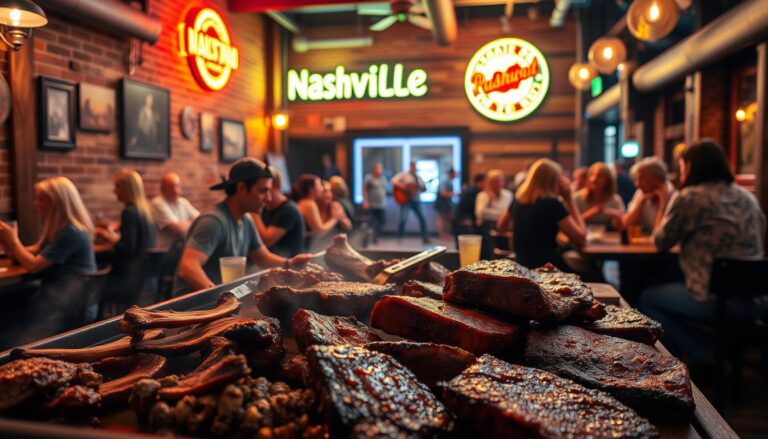
Elevate Your Grilling with These Homemade BBQ Rub Tips
Make every cookout more confident and flavorful. A dry rub is a simple blend of salt, pepper, sugar, paprika and aromatics like…
Make every cookout more confident and flavorful. A dry rub is a simple blend of salt, pepper, sugar, paprika and aromatics like garlic powder, oregano, chili and cumin. These ingredients build a savory crust and lift the natural taste of meats before you even heat the grill.
Prep is quick: pat the surface dry, press the seasoning mix onto all sides, and let it rest 30 minutes to 1½ hours. That pause lets salt and spices penetrate for deeper flavor without extra fuss.
Keep sugar if you want a crust during low-and-slow smoking, but avoid high direct heat above about 265°F where sugars can burn. Small adjustments in seasoning balance and technique make this an easy way to tailor results to your taste.
Key Takeaways
- Dry mixes of simple ingredients add big flavor quickly.
- Pat meat dry and press on seasoning for best adhesion.
- Let the rub rest 30–90 minutes to let spices work.
- Use sugar for crust in low-and-slow cooks; avoid high heat.
- Adjust salt and spice levels to match different meats and tastes.
BBQ Rub Foundations: Core Ingredients, Flavor Balance, and When to Use Them
A dry rub layers simple seasonings to build a savory crust and boost the depth of grilled meat.
What a dry rub does
Salt draws moisture to the surface, dissolves, and helps carry spices into the meat while promoting bark during long bbq cooks. Pepper and aromatics add bite and aroma. Apply these mixes before smoking or roasting, then let them rest 30–90 minutes so the base flavors settle in.
Essential seasonings and how to use them
Start with kosher salt, black pepper, and brown sugar for balance. Add smoked paprika, garlic powder, and onion powder for color and depth. Ground mustard, cumin, and cayenne give warmth and backbone. Tweak the mix toward beef with extra pepper and cumin, or toward pork with more sugar and paprika.
“Salt is the most straightforward way to make spices sing and to build a lasting crust.”
| Ingredient | Role | Best use |
|---|---|---|
| Salt (kosher) | Penetrates, seasons, forms crust | Beef, pork, whole poultry |
| Brown sugar | Caramelizes, adds sweetness | Low-and-slow ribs, pork |
| Paprika & spices | Color, smokiness, heat | Brisket, chicken, burgers |
| Garlic & onion powder | Aromatic depth | All meats |
Pro tips for creating a bbq rub
A few clear rules make it easy to craft blends that suit any protein.
Balance the quadrants: think sweet, salt, heat, and smoke. Nudge each one to suit the cut—more salt for thick steaks, extra paprika as the base for color, and a measured pop of pepper or cayenne when you want bolder taste.
If you plan high-heat grilling or pan-searing, skip or cut back on sugar. Sugar helps bark during low-and-slow smoke but can burn around 265°F and leave bitter notes when temps spike.
Layer flavors intentionally: start with paprika as your base, add pepper for heat, fold in garlic and aromatics, then finish with optional add-ins like mustard or cumin to make the blend your own.
Measure so you get repeatable results—log tablespoon and teaspoon amounts. For ground meat, mix about one tablespoon of blend per pound, or press the rub onto patties to build a crust.
- Store airtight and use within six months.
- Taste a pinch before seasoning to check balance.
- Keep a simple base on hand to riff on different ways use across proteins.
How to Apply a Dry Rub Like a Pro
A clean surface and steady pressure turn simple spices into lasting flavor.
Pat, coat, and rest
Pat the meat dry so the salt can grip and the rub adheres evenly. Coat all sides and work into crevices.
Give it 30 minutes to 1½ hours of rest so the dry rub and salt can sink in before you use bbq or smoker heat.
Ground meat and crusted patties
For ground mixes, stir about one tablespoon per pound into the mix, or press the rub onto formed patties to build a bold crust.
Test-cook a small piece, then adjust seasoning. Reduce sugar if you plan very high heat—sugars can char around 265°F.
Compound butter finish
Blend softened butter with your favorite rub and chill. Add a pat to a hot steak or roast in the final minutes for gloss and richness.
| Application | Measure | Best use |
|---|---|---|
| Surface seasoning | Generous, press on | Roasts, whole poultry |
| Ground mix | 1 tablespoon per pound | Burgers, meatballs |
| Compound butter | 1 tbsp finish | Steak, roast |
One simple way to improve each cook is to note timing and share results. Small changes in prep time and pressure make big flavor differences.
Rub Recipes, Storage, and Best Ways to Use Your BBQ Rubs
Keep a large jar of this all-purpose blend handy so you can season meats and veggies in seconds.
All-purpose base
All-purpose base
Combine: 1/2 cup brown sugar, 1/4 cup paprika, 2 tbsp black pepper, 2 tbsp kosher salt, 1 tbsp garlic powder, 1 tbsp onion powder, 1 tbsp ground mustard, 1 tsp cayenne, 1 tsp cumin, 1 tsp chili powder. Mix well.
Another classic: 1/2 cup brown sugar, 1/2 cup paprika, 1 tbsp chili powder, 1 tbsp garlic powder, 1 tbsp onion powder, 1 tbsp salt, 1 tbsp black pepper, 1 tsp cayenne. Double batches as needed.
Use cases
Ribs: Coat generously and rest to build a caramelized bark during low-and-slow cooking.
Brisket: Use the base, then add extra pepper if you want a pepper-forward finish.
Chicken and pork: Paprika-led balance works well. Adjust pepper or cayenne in tablespoon or teaspoon steps.
Steak and burgers: Reduce sugar, increase salt and pepper, finish with compound butter.
Veggies: Toss with olive oil and dust lightly, then roast or grill until tender.
“Store blends in an airtight container and use within six months; freeze portions for long-term convenience.”
| Blend | Measure | Best uses |
|---|---|---|
| All-purpose | As listed above | Ribs, chicken, pork, veggies |
| Classic paprika | Half-cup base | Brisket, roasts |
| High-heat mix | Less sugar, more pepper | Steak, burgers |
Conclusion
Finish strong by keeping your process simple: pat the meat dry, season evenly, and give spices time to work.
Small choices make big flavor. Keep salt central, use pepper and powder-based aromatics, and cut sugar when you’re grilling hot to avoid burning around 265°F.
Store blends airtight in a cool, dry spot so ingredients stay fresh and consistent. Measure ground mixes—about one teaspoon per portion—so weeknight meals stay reliable.
Whether you cook for two or a crowd, repeatable steps—quality ingredients, balanced seasoning, and patient rest—are the surest way to reach your rub perfect result. Share notes and tweak ratios as you go.