Discover the Flavor-Boosting Power of Wood Chips
Ready to lift your cooking, brewing, or winemaking? This article opens a friendly guide to how timber interacts with liquids and food…
Ready to lift your cooking, brewing, or winemaking? This article opens a friendly guide to how timber interacts with liquids and food to shape taste and texture. Micro-oxygenation and gentle tannin softening bring balance, while aromatic compounds arrive slowly during aging or smoking.
Start with oak as a benchmark. French oak leans toward vanilla, spice, and toast. American oak often gives coconut, dill, and caramel notes. Fruitwoods such as cherry or apple add fruity and floral hints, while mesquite lends bold smoke and earth.
Practicality matters: chips, cubes, and staves speed extraction and offer control without a barrel purchase. Home cooks and pros get faster, consistent results and clearer process control by choosing size and toast level.
Key Takeaways
- Timber aids micro-oxygenation and tannin management for smoother mouthfeel.
- French oak and American oak create distinct aroma directions to match recipe goals.
- Fruitwoods and hardwoods expand options from subtle fruit notes to bold smoke.
- Chips, cubes, and staves give fast, repeatable results and better process control.
- Careful time and temperature choices let wood enhance rather than overpower taste.
Why Wood Chips Matter for Flavor Right Now
Adding modest wood additions during fermentation reshapes aroma and mouthfeel quickly. Small pieces let makers introduce gentle oxygen exchange. That softens harsh tannins and helps aromas knit together for greater complexity.
How it works: Porous oak admits tiny oxygen amounts during contact. That micro-oxygenation smooths texture and speeds integration. Natural extractives also act as antioxidants, which can aid stability and aging.
French oak often brings vanilla, spice, and toast notes. American oak tends toward coconut, dill, and caramel. Choosing a type links wood choice to a desired profile for the final product.
- Benefits using chips: barrel-like depth without long waits.
- Temperature and time control the extraction rate.
- Regular tasting guides dosage, contact time, and process tweaks.
Practical cue: Use a tasting schedule, record texture and aroma changes, and adjust to avoid overpowering. The goal is added flavor complexity and a smoother palate, not dominance.
Different types of wood used and how they shape your flavor profile
Each species offers a palette of scent and taste that you can layer like paint.
Oak fundamentals: French oak brings elegant spice, vanilla, and toast. American oak gives bolder notes like coconut, dill, and caramel. Use French for subtlety and American when you want louder, sweeter character.
Fruitwoods for nuance
Apple and cherry add sweet, fruity, and floral accents. Peach and plum give soft, sweet, sometimes sweet-smoky tones.
Layering small amounts of fruitwood lifts basic profiles and helps create unique flavor without crowding other ingredients.
Bold and rustic options
Hickory and mesquite deliver strong smoke and depth. Pecan offers milder, sweet smoke that balances richness.
Example: Try mesquite with cherry to temper intensity while keeping bright fruit notes.
Softwoods and light-smoke cases
Cedar and alder suit delicate proteins and lighter beverages. Cedar adds mild sweetness; alder gives a gentle smoke that preserves subtle aromas.
| Category | Common types | Typical notes | Best use |
|---|---|---|---|
| Oak | French, American | Vanilla, spice, caramel, coconut | Base profile and complexity |
| Fruitwoods | Apple, Cherry, Peach, Plum | Sweet, fruity, floral, sweet-smoky | Nuance and lift |
| Bold hardwoods | Hickory, Mesquite, Pecan | Bold smoke, sweet smoke, deep spice | Anchor depth—use sparingly |
| Softwoods | Cedar, Alder | Mild sweetness, gentle smoke | Delicate dishes and light beverages |
- Choose right: start with oak as a base, layer fruitwood for lift, add a touch of bold hardwood for depth.
- Remember: pieces extract fast, so dose powerful species conservatively.
- Keep a flavor notebook to log combinations and replicate successful profiles.
How to use wood chips to enhance flavor without overpowering it
Decide what you want the final drink or dish to taste like, then match a wood option to that aim.
Choose right between French or American oak and pick a toast level: light for delicate notes, medium for balanced spice and caramel, heavy for bold, toasty tones.
Sizing and format for control
Small pieces extract fast; large pieces or staves act slowly. Use chips for quick trials and cubes or staves when you want finesse and a longer window to adjust process.
Timing, temperature, and tasting cadence
For wine and beer, start with 1–2 oz per gallon. Short contact (1–3 days) gives immediate notes. One to two weeks balances integration. Over a month deepens style.
Warmer conditions speed extraction; cooler ones slow it. Taste at set intervals — try days 3, 7, and 14 — and remove once you reach your desired flavor.
Practical tips
Soak or rinse heavy-toast or bold blends to temper early spikes. Blend a little fruitwood with oak to lift aroma without crowding nuance.
- Example: medium-toast French oak chips at a conservative dose; taste on days 3, 7, 14; remove when satisfied.
- Keep notes, change one variable at a time, and use clean bags or infusers for easy removal and good wood use hygiene.
Final cue: achieving desired flavor comes from iterative tasting, careful dosing, and consistent records.
The role of wood chips in enhancing flavor across smoking and fermentation
A small dose of chips can change aroma, mouthfeel, and balance during smoking or fermentation.
Smoking at home: steady heat and blends for balance
For home cooks, keep temp steady and smoke flow even. That helps predictable results and prevents hot spots that cause harsh notes.
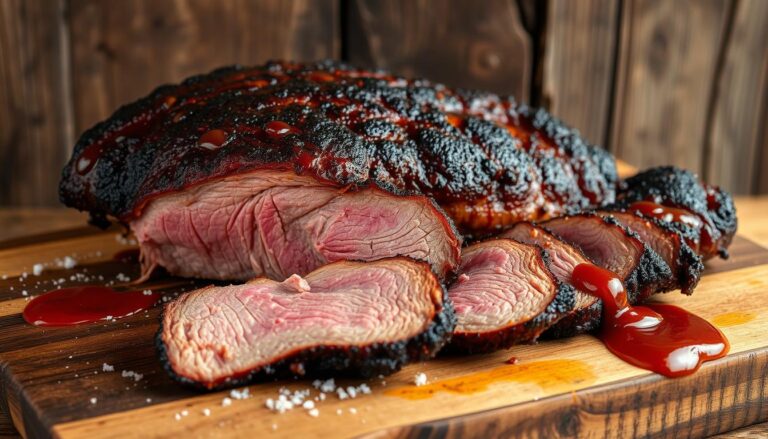
Blend hardwoods with fruitwood—use hickory or mesquite for robust cuts and apple, cherry, or peach to lift sweetness. Start light, taste often, and shorten exposure if smoke gets too strong.
Winemaking and brewing: measured dosage and tasting cadence
Use measured additions during timber contact. A good starting point is 1–2 oz per gallon. Track changes with a tasting schedule at days 3, 7, and 14.
Chips enable wood fermentation benefits like gentle oxygen exchange and tannin softening. Oak gives backbone while fruitwood adds lift for a layered final product.
Sustainability and consistency: repeatable results without barrels
Chips and staves offer cost-effective, controllable alternatives to barrels. They use fewer resources and fit small spaces while delivering reliable aromas and texture.
Document each run. That experience helps you create unique flavor and repeat successful blends for a consistent final product.
| Use case | Suggested type wood used | Typical effect |
|---|---|---|
| Smoking robust cuts | Hickory, Mesquite | Bold smoke, deep spice |
| Smoking delicate items | Alder, Cedar, Pecan | Gentle smoke, mild sweetness |
| Fermentation and aging | Oak, Cherry blend | Structure, softened tannins, fruity lift |
- Tip: lower temp or cut contact time to manage intensity.
- Keep notes, change one variable at a time, and taste on schedule.
- Start conservative; build complexity methodically so main ingredients stay central.
Pro tips, challenges, and quality control when using wood
Careful handling, measured dosing, and frequent checks are your best defense against over-extraction.
Avoid over-oaking: start with a conservative dose and short contact. Taste at set intervals and keep notes. If notes climb too fast, lower temperature, remove some pieces, and shift to a gentler fruit option as an example correction.
Sanitation and prep: rinse or soak heavier toast to tame early spikes. Always clean chips, staves, and gear before contact to protect aroma and clarity.
Quick checklist
- Start small; extend in tiny steps while tasting.
- Log changes to track texture and complexity over time.
- Choose right toast for your base: light, medium, or heavy.
| Concern | Action | When to act |
|---|---|---|
| Rapid extraction | Lower temp; remove pieces | At first strong spike |
| Off aromas | Sanitize gear; discard contaminated batch | On detection |
| Unclear results | Run trial jars with different doses | Before scaling up |
Conclusion
c A simple roadmap—choose a profile, pick a toast and dose, then taste often—keeps results consistent.
Summary: small, measured additions give precise control, consistent outcomes, and scalable paths to oak and fruit notes. Use French or American oak for base, add fruitwoods for lift, and bring bold species for depth only when needed.
Practical steps: set a desired profile, select type and toast, start with 1–2 oz per gallon for wine, track time and temperature, and keep tasting notes. This approach speeds integration, improves texture, and yields a polished final product while saving space and cost compared with barrels.
Try small trials at home, log each experience, and build repeatable blends that create unique flavor over time.