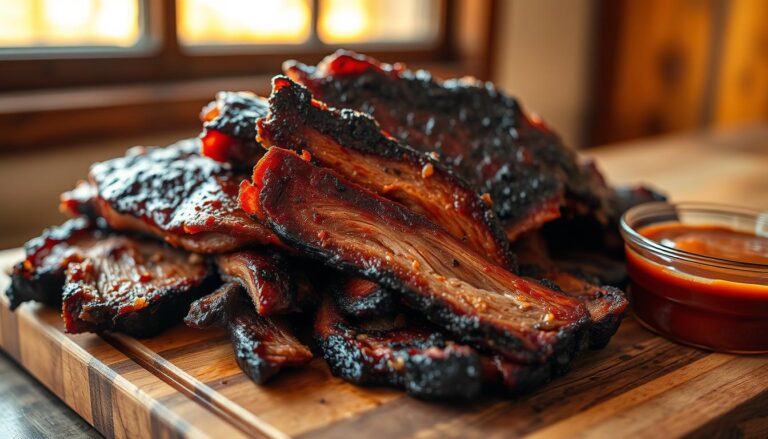
Smoking Pulled Pork the Nashville Way
Ready for bold heat and tender meat? This friendly, hands-on intro walks you through a practical recipe that blends a fiery dry…
Ready for bold heat and tender meat? This friendly, hands-on intro walks you through a practical recipe that blends a fiery dry rub, a spicy binder, and patient low-and-slow smoking for a bark that bites back and meat that melts.
Start smart: score the fat cap, slather BW3 hot sauce over all sides, place the shoulder in an aluminum pan, and chill overnight. The rub brings cayenne, turbinado sugar, smoked paprika, garlic, mustard and pepper for balanced caramel and heat.
On a RecTeq pellet unit run 225–250°F until a solid bark forms, wrap through the stall, then finish when the probe reads 195–205°F. Rest an hour, shred, and dust with extra rub for that Music City kick.
Options matter: use a pellet smoker, offset stickburner, WSM, or a gas grill with a smoke tube. Keep smoke clean, heat steady, and patience handy for competition-worthy results.
Key Takeaways
- Prep ahead: hot-sauce bind and overnight chill improve flavor and adhesion.
- Balance heat: cayenne and smoked paprika with turbinado sugar for caramel.
- Target temps: aim for 195–205°F probe-tender finish and a one-hour rest.
- Equipment flexible: pellet, offset, WSM, or gas grill with smoke tube work.
- Finish strong: shred and add extra rub for authentic Music City bite.
What Makes Nashville-Style Pulled Pork Different
A fiery binder and an overnight chill set this method apart, giving the meat a tangy backbone before any smoke touches it.
Bold spice and smart prep define the approach. A coat of BW3 hot sauce works as a sticky binder. Then a cayenne-heavy dry rub with smoked paprika, black pepper, and a touch of turbinado sugar builds a crunchy, brick-red bark.
Resting the shoulder in an aluminum pan overnight helps the binder sink in and the rub adhere. That step deepens flavor and creates a rugged exterior when cooked low and slow.
The technique blends Texas fundamentals—clean hardwood smoke, simple seasonings, and patient heat—with Nashville’s heat-forward profile. Choose hickory for strength, apple or cherry for fruit notes, and pecan for roundness.
| Feature | Purpose | Result |
|---|---|---|
| Hot-sauce binder (BW3) | Helps rub stick; adds tang | Deep flavor penetration |
| Cayenne + smoked paprika | Spice and smoke balance | Zingy, peppery bark |
| Overnight pan rest | Marinate and set rub | Rugged, crunchy exterior |
| Pork shoulder | Fat and connective tissue | Juicy, shred-ready meat |
- Finish: a light dusting after shredding gives an extra pop of heat.
- Principle: balance fierce spices with clean smoke to avoid bitterness.
Choose Your Cut, Smoker, and Heat Source
Pick the roast that fits your plan and gear. A fattier option will forgive long cooks, while a tidy roast fits smaller units and finishes more predictably.
Pork shoulder vs. Boston butt: fat, flavor, and why both work
Pork shoulder brings heavy marbling and deep pork flavor that shines after long, gentle cooking.
Boston butt is slightly leaner and uniform, which makes handling and carving easier. Both cuts render connective tissue into silky juices and great texture for shredded servings.
Smoker options and low-and-slow basics
Pellet units like RecTeq or Traeger give set-and-forget reliability. Offset cookers offer the truest wood-fire character, and water smokers such as the Weber Smokey Mountain add moisture stability.
Kamado grills hold stable heat for extended hours and use fuel efficiently. Aim for low slow at 225 250°F so collagen melts without scorching the bark.
Gas grill setup with smoke tubes or foil packets
Use a two-zone layout: one burner low under a smoke tube or foil packet with dry wood chips, the other side cool for indirect cooking.
Do not soak wood chips; replace tubes or packets periodically. A light smear of mustard helps the rub stick and encourages a firm crust while you monitor the cooking process.
| Choice | Strength | Best Use |
|---|---|---|
| Pork shoulder | High fat, bold flavor | Long cooks, forgiving results |
| Boston butt | Neat shape, consistent | Small smokers, gas grills |
| Pellet & Kamado | Easy temp control | Set-and-forget cooks |
| Offset & WSM | Authentic smoke, moisture | Bark development, long hours |
Nashville Hot Dry Rub and Overnight Marinade
Flavor builds long before heat—start by assembling the dry rub and a simple binder.
Spice mix essentials: combine 1/4 cup cayenne; 1/3 cup turbinado sugar; 1/3 cup smoked paprika; 1/3 cup garlic powder; 1/4 cup mustard powder; plus 2 tbsp onion powder, 2 tbsp black pepper, and 2 tbsp kosher salt.
Score the fat cap with a crosshatch. Lightly coat the cap with BW3 Nashville Hot Sauce. That tangy layer helps seasoning cling and layers flavor under the rub.
Binders that help bark
Use a thin smear of yellow mustard, a drizzle of neutral oil, or a splash of apple cider vinegar as a binder. Each keeps the rub in place and aids crust formation.
Overnight rest and final prep
Place the seasoned roast in an aluminum pan, seal with aluminum foil, and chill in the fridge overnight. This rest lets the rub hydrate and the sugar begin to set for caramelization.
- Before cooking, wipe off excess wet marinade so the dry rub forms a firm bark.
- Apply the rub evenly; reserve a little extra rub for a finishing dust after shredding.
- Same method works for boston butt or shoulder—scale quantities to fit the cut.
how to smoke pulled pork in Nashville style: step-by-step
Begin your cook by bringing the smoker up to a steady 225–250°F and wait until thin blue smoke appears. This steady heat sets the tone for the cooking process and helps build a clean, lasting bark.
Resist opening the lid for the first 90 minutes. Let the surface form an uninterrupted crust. After that, place the pork shoulder or pork butt fat side as your setup requires.
Spritz schedule and stall strategy
Spritz every 45–60 minutes with water, apple juice, or a 50/50 water and apple cider vinegar mix. This keeps the surface tacky so smoke can stick and flavor can build.
When the roast stalls near 160–170°F internal temperature, decide how to push through. Wrap in aluminum foil for a faster finish, or use pink butcher paper to preserve texture and bark.
Finish, rest, and shred
Continue until probe checks slide in like warm butter at about 195–205°F. Pull the roast and tent or wrap it; let rest for roughly an hour so juices redistribute and shredding becomes easy.
- On a gas grill: use a two-zone setup and keep the smoke tube or foil packet fed while holding 225–250°F.
- Thermometer tips: check multiple spots and trust probe feel over clock time—total hours vary by size.
- Final touch: shred, discard unrendered pockets, and dust reserved rub before serving.
Wood, Smoke Flavor, and Managing the Burn
Select a blend that supports heat and spice; a 50/50 hickory‑apple mix with a chunk of pecan adds depth.
Wood choices matter. Hickory offers a robust backbone while apple lends a mild sweetness that flatters pork. Cherry brings color and gentle fruit notes, oak gives steady, neutral smoke, and pecan adds a buttery, nutty finish.
Pellets and dry wood chips both work, but use them correctly. Pellets in a tube burn consistently and need little babysitting. Wood chips in foil packets are cheap and effective on a gas grill. Do not soak wood chips; wet chips steam and make bitter, white smoke.
- Choose hickory + apple for balance; add pecan for richness.
- Use dry wood chips or pellets; place smoke tubes or foil packets over the active burner on gas.
- Keep smoke thin and blue — avoid thick white plumes that taint meat.
- Manage airflow on offsets and watch exhaust color and smell for clean burn.
- Remember heat source dynamics: pellets automate, offsets need tending, gas needs consistent control.
Time and Temperature Mastery for Consistent Results
Treat the cook as a clock plus feel: block out the expected hours, then watch the probe for the final tell.
Plan on roughly 90 minutes per pound at steady low heat. Add a dedicated 60-minute rest after the roast comes off the smoker. That rest locks in juices and makes shredding easier.
Practical checkpoints
Use probe feel over strict numbers. A probe should glide in like softened butter—that’s the real sign of readiness.
Most shoulders finish between an internal temperature of 195 205°F, but texture matters more than the readout alone. Check several spots, especially the thick center.
- Budget extra hours on event days; weather and cooker efficiency add variability.
- Smaller pork butt or pork shoulder roasts on gas units cut total hours and simplify timing.
- Track minutes for spritzing and use a wireless thermometer to follow progress remotely.
| Item | Rule of Thumb | Why it matters |
|---|---|---|
| Planning time | ~90 minutes per pound | Allows collagen breakdown and bark development |
| Rest | 60 minutes wrapped | Juices redistribute for tender servings |
| Finish test | Probe glides like butter; internal temp 195–205°F | Avoids dry meat and ensures shreddability |
| Holding | Wrapped in towels/cooler for 2–4 hours | Keeps roast warm without overcooking |
Keep notes on time, hours, wood blend, and final temps. Good logs make your next smoked pulled pork cook more consistent.
Pull, Sauce, and Serve Nashville-Style
After that long, patient cook, the finish matters as much as the bark. Let the roast rest so juices settle, then move it carefully to a pan for the final work. This is where texture, seasoning, and service come together.
Shredding with purpose: Wear heat-resistant gloves and remove the bone. Pull the meat by hand so you can feel and trim any unrendered fat or gristle.
Save the juices that pooled in the pan and fold them back into the meat. That liquid restores moisture and boosts flavor.
“Let the roast rest: patient holding makes shredding easy and keeps strands long and juicy.”
Finish and sauce: Lightly dust the shredded meat with the reserved rub for extra heat and black pepper bite. Offer sauces on the side — Carolina gold for bright mustard tang, or a classic BBQ sauce for sweet-smoky comfort.
- For a truer Music City punch, finish with a hot-dust sprinkle and keep sauce optional so the crust remains central.
- Build sandwiches with soft buns and crisp slaw for texture contrast.
- Serve buffet-style for a crowd: keep pans covered and warm, stir occasionally, and set out extra rub and pickles.
Leftover ideas: Reinvent the meat in tacos, nachos, stuffed potatoes, or breakfast hashes. Warm sauces gently — low heat thins them without burning sugars.
Troubleshooting and Pro Tips from the Pit
Small fixes during the cook can save an entire roast. When smoke gets heavy or bitter, the quickest fix is a milder wood mix and a timely wrap to arrest further absorption.
Too smoky or bitter bark? Shift some hickory for apple or cherry and wrap once the crust sets. Foil speeds the finish; butcher paper keeps a firmer bark. Avoid long mesquite runs on long hours.
Dry meat fixes: Maintain a steady spritz every 45–60 minutes, wrap at the stall, and rest at least 60 minutes. Save pan juices and fold them back into the shredded meat to restore moisture.
- If the butt or shoulder still feels tight, ride the cook to 195–205°F and trust probe feel over clock time.
- If the exterior is dry, chop and rehydrate with warm pan juices or a light vinegar sauce.
- Hold a finished roast wrapped in foil and towels inside a cooler for extra hours when timing matters.
- Freeze leftovers (vacuum-sealed when possible) for 6–12 months; reheat low with a splash of broth.
“Keep notes on woods, wrap timing, and rest length—those logs sharpen results fast.”
Final tip: make sure you test probe glide and keep airflow clean. Small changes now save a ruined smoked pulled meal later.
Conclusion
A reliable finale pulls the cook’s lessons together and rewards patience with tender results.
Prep smart, hold steady, and let the bark and juices do the talking. The winning formula pairs a hot-sauce binder, an overnight pan rest, and a cayenne-forward rub for deep color and depth.
Keep your pit at 225–250°F, wrap at the stall, and finish when the probe glides near 195–205°F. Rest an hour, shred, and dust a light finishing rub before serving.
Save this recipe, print your checklist, and track time and temps. With the right wood blend and steady technique, your backyard bbq will yield smoked pulled pork worth repeating.