The Benefits of Low and Slow Cooking
Slow cooking is a simple, gentle method that turns tough cuts into tender meals with very little fuss. This way grew from…
Slow cooking is a simple, gentle method that turns tough cuts into tender meals with very little fuss. This way grew from early days by fire to the rise of the Crock-Pot in 1971, a real fact that made set-and-forget stews, soups, and beans a staple for busy homes.
Using low heat in a closed pot keeps flavor and nutrients inside the vessel. Some vegetables and fruits become more nutritious when warmed slowly, while peanuts and tomatoes show big gains in useful compounds after gentle cooking.
This method also trims added fat and salt, stretches pantry staples like pulses and whole grains, and cuts harmful compounds linked to high-heat grilling. Expect even cooking, richer depth, and less hands-on time for weeknight meals with friends.
Key Takeaways
- Gentle, long heat creates tender, flavorful dishes with minimal effort.
- Closed-pot cooking helps retain nutrients and boosts some food compounds.
- Low-heat prep often needs less fat and salt and saves money.
- Avoids many harmful byproducts that form with high flames or charring.
- Great for stews, soups, beans, and busy schedules—ideal for hosting friends.
What “low and slow” really means—and why it works
A measured, patient approach to heat unlocks tenderness in tough cuts while keeping flavors clear.
Low temperature here means cooking at or below 325°F (163°C), where Maillard browning stays limited and smoke, seasoning, or braising liquids carry most flavor for meat.
Common ranges, methods, moisture
Typical methods include smoking, BBQ, steaming, poaching, sous vide, and braising. Each adds moisture to speed heat transfer and avoid stalls during long cooks.
Even cooking, minimal carryover
Gentle temps create shallow heat gradients inside roasts. That means edge-to-edge doneness with far less overcooked outer bands. Sous vide nearly eliminates carryover.
Collagen to gelatin
Collagen is a cable-like protein in connective tissue. With time plus heat its triple helix unwinds into gelatin, bathing fibers and boosting juiciness.
- Collagen softening starts near 170°F (79°C); many tough cuts finish tender around 203°F (95°C).
- Dark poultry legs do well between 175–200°F (79–93°C).
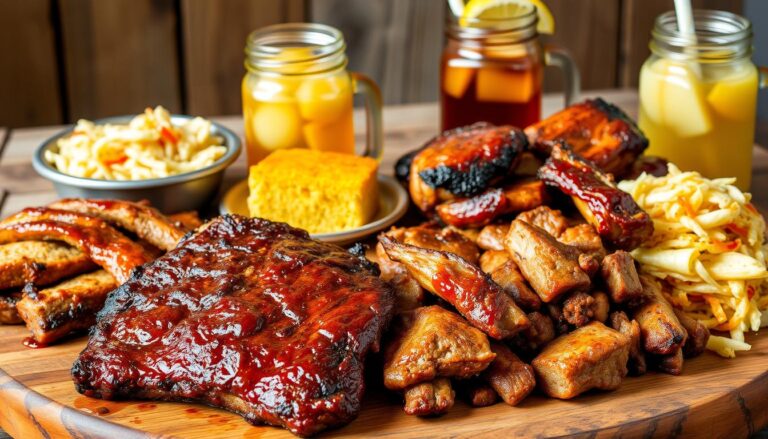
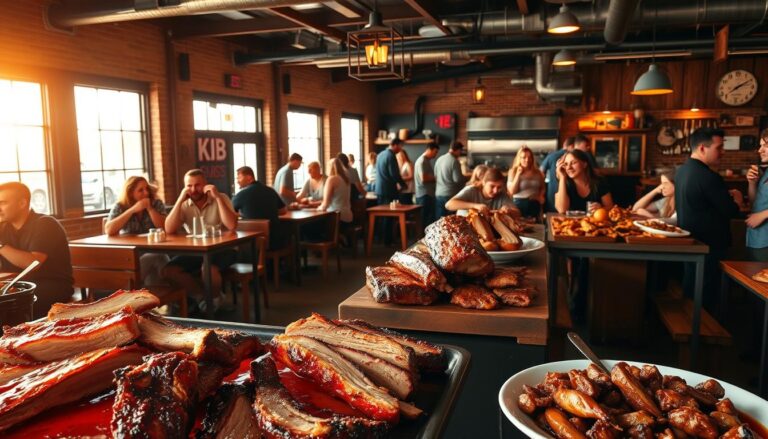
- Brisket, ribs, shoulder, chuck: high collagen, perfect candidates for this process.
| Method | Typical Temp | Moisture Role | Ideal Cuts |
|---|---|---|---|
| Smoking / BBQ | 200–275°F (93–135°C) | Smoke plus wrapping can add steaming | Brisket, ribs, pork shoulder |
| Braising | 200–325°F (93–163°C) | Liquid transfers heat, prevents stalls | Chuck, shanks, short ribs |
| Sous vide | 120–160°F (49–71°C) | Immersion gives even temp, no carryover | Large tender cuts, precise steak doneness |
| Poaching / Steaming | 160–212°F (71–100°C) | Moisture preserves juices, gentle finish | Poultry thighs, fish, pork |
The benefits of low and slow cooking
Long, mild heat often turns pantry staples into more nutritious, easier-to-digest meals.
Nutrient bioavailability
Gentle heat breaks plant cell walls and frees carotenoids and fat-soluble vitamins for the body to absorb.
Heated tomatoes yield more lycopene. Boiled peanuts can show greater antioxidant activity. Beans soften while antinutrients decline, improving protein tolerance.
Fewer harmful compounds
Cooking in liquid at low temps cuts AGEs by about half versus broiling or grilling. Open-fire bbq can form PAHs and HCAs linked to DNA changes.
Expert advice from major cancer groups recommends avoiding charred meats, which makes this way safer for regular meals.
Flavor, moisture, tenderness
Long, steady heat keeps juices inside meat while melted gelatin coats fibers. That yields fuller flavor and a plush mouthfeel without heavy salt or fat.
Convenience and value
Set ingredients into a tight pot, leave for hours, then enjoy a crowd-pleasing dinner. Cheap cuts like pork shoulder or beef chuck stretch far.
| Gain | How | Examples | Why it matters |
|---|---|---|---|
| More nutrients | Breakdown plant walls, free carotenoids | Tomato→lycopene, peanuts↑antioxidants | Better absorption for body |
| Lower toxic load | Cook in liquid at low heat | vs. broil/grill: fewer AGEs, PAHs | Reduced long-term risk |
| Better texture | Collagen → gelatin over time | Pork shoulder, beef chuck, ribs | Juicier, fork-tender plates |
| Time savings | Hands-off set-and-forget | Slow cooker, Dutch oven, smoker | More time with family, less fuss |
How to cook low and slow: tools, cuts, temps, and a simple step-by-step
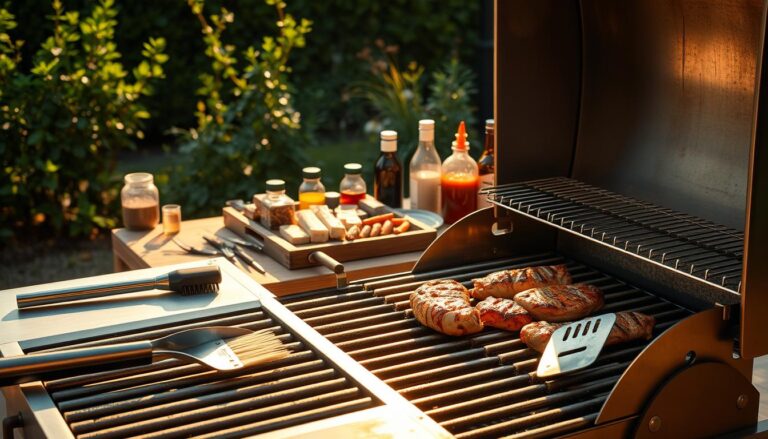
Begin with tools that let you control temperature and track doneness without constant peeks. A sturdy Dutch oven, reliable slow cooker, or steady smoker covers most methods. Add a leave-in probe thermometer to monitor internal temperature while keeping heat and moisture sealed.
Pick the right cuts and temps
Choose collagen-rich pieces like brisket, pork shoulder, ribs, chuck, lamb shoulder, or chicken thighs for best results. Collagen begins to unwind near 170°F (79°C), and many tough cuts peak around 203°F (95°C). Dark poultry gets tender starting about 175°F (79°C) and stays juicy up to 200°F (93°C).
Moisture, sear, and timing
Use braising liquid, a water pan in a smoker, or foil wrapping to prevent stalls and keep the process moving. Sear first when braising to build Maillard flavor. For sous vide, finish with a hot sear to add crust without losing juices.
Quick step plan
- Season and optionally sear cut meat for added flavor.
- Load pot or smoker with aromatics and chosen liquid or wood.
- Set a steady temperature, then monitor internal heat with a probe.
- Finish with a sear if desired; rest before slicing so gelatin firms and locks in juices.
Conclusion
Patience at a steady temperature pays off with meat that slices like butter and tastes richer. Slow cooking delivers even doneness with minimal carryover while collagen turns into gelatin for real tenderness.
Gentle heat makes some nutrients easier for your body to use and cuts many compounds tied to high-heat charring. Pick proper cuts, set a clear temperature target, and use a leave-in probe for repeatable results.
Try a pork shoulder or favorite roast this weekend: choose one cut meat, set time and temp, then enjoy more time with friends and family as dinner finishes itself. Return to this blog post for tools, temps, and steps to repeat success.