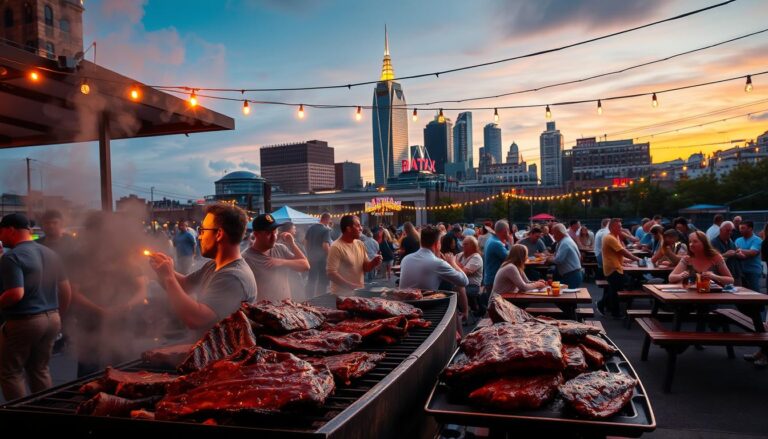
The Best Wood for Smoking Brisket in Tennessee
Your wood choice shapes the cook. It affects heat, smoke quality, and the final flavor of the beef. Home cooks and competition…
Your wood choice shapes the cook. It affects heat, smoke quality, and the final flavor of the beef. Home cooks and competition teams notice this on the first bite.
Oak often serves as a steady baseline. Pitmasters praise post oak and white oak for even burn, clean blue smoke, and a balanced, mild sweetness that complements beef without masking it.
Match the species to your cooker and you get predictable temps and thin smoke. The wrong pairing can give acrid notes, stalled fires, or a muddy smoked brisket instead of a bright, beefy result.
This guide will walk regional cooks through why oak wood frequently leads, then explore fruitwoods and bolder options, formats and amounts, and how to pair wood with specific smokers. Keep seasonings simple and take notes each cook to refine your preference and repeat great outcomes.
Key Takeaways
- Wood selection directly influences heat behavior and flavor.
- Oak gives steady burn and clean smoke, ideal as a baseline.
- Test small batches of other species to find your preference.
- Focus on clean combustion and dry fuel to avoid bitterness.
- Simple rubs let wood and beef shine; track your experience.
Best wood for smoking brisket Tennessee: what locals should know
Regional forests once set the BBQ tone, but today cooks can order many species online and at specialty shops.
Regional availability vs. online choice
Oak and hickory grew nearby and shaped classic plates. Now, shoppers pick chips, chunks, or logs to match their smoker. Buy seasoned fuel, avoid green or moldy pieces, and choose the format that fits your cooker: chips for some electric and gas units, chunks for charcoal, logs for offsets.
Flavor expectations in the Southeast
The aim is a balanced profile that highlights beef, not masks it. Thin blue smoke and steady burn produce a clean smoke flavor without harshness.
Start simple: use oak as a baseline, then try fruitwoods or hickory as your experience grows. Keep seasoning plain and take notes so each run refines your preference.
| Format | Smoker type | Use | Typical amount |
|---|---|---|---|
| Chips | Gas / Electric | Quick bursts, low heat | Handful per hour |
| Chunks | Charcoal | Steady smoke, longer burns | 3–6 pieces per cook |
| Logs | Offset | Extended sessions, strong wave | Multiple splits as needed |
Why oak leads the pack for smoked brisket
For hours of even heat and thin blue smoke, oak stands out in many pitmaster lineups. Its medium density gives a steady, forgiving burn that keeps temps stable and smoke clean during long cooks.
Post oak and white oak: steady burn, clean smoke, classic beef-forward profile
Post oak and white oak share a balanced, slightly sweet profile that lets the beef shine. Post oak often reads a touch milder; white oak can be a bit firmer in intensity.
Oak’s medium density and mild sweetness for “low and slow” cooks
Oak wood adds depth without masking rubs or meat. It produces thin smoke that favors bark formation and long renders, ideal when you need consistent time and temperature control.
Using oak as a base wood for consistent smoke flavor on long briskets
Use oak alone or as a base blend. It handles accents from fruitwoods or pecan without tipping into harshness, so you get repeatable results across cooks and audiences.
- Post oak splits for stick-burners; fist-sized chunks for charcoal setups.
- Start with oak as your baseline, then test small accents.
- Seasoned, dry fuel prevents bitterness and keeps smoke thin.
| Oak Type | Burn Character | Flavor Impact |
|---|---|---|
| Post Oak | Even, slow-burning | Mild, slightly sweet, beef-forward |
| White Oak | Steady, pronounced heat | Balanced sweetness, slightly stronger tone |
| Oak (mixed) | Predictable, lasting | Neutral canvas; supports blends |
Dialing in nuance with fruitwoods
Fruitwoods bring a soft, fruity lift that brightens both color and aroma on long cooks.
Apple gives a gentle, sweet lift that enhances flavor without masking the meat. Cherry adds a subtle sweetness and helps produce a deep mahogany bark that looks and tastes appealing.
Practical blend and timing
Many pitmasters use about 70% oak and 30% fruitwood to add complexity without overpowering the main profile. Start fruitwood accents in the first several hours while the bark sets; oak should carry the long, steady burn.
- Taste both the flat and the point to note how fruitwoods change texture and flavor across the cut.
- Alternate small fruitwood additions between splits so sweetness and smoke stay consistent.
- For ceramic or kettle cookers, place fruitwood near but not on the hottest coals to keep smoke bright and clean.
Tip: Try slight ratio shifts—80/20 or 60/40—to fine-tune how much fruity color and aroma you want. Keep notes each cook and focus on choosing best wood pairings that match your style.
Going bolder with hickory, mesquite, and pecan
Bold smoke choices give clear personality to a cook, yet a little goes a long way. Stronger woods can build amazing bark and deep aroma, but they need timing and restraint to keep the meat balanced.
Hickory’s rich, bacon-like profile
Hickory brings a campfire-and-bacon vibe that produces a thick, savory crust and intense flavor. Used in small doses, it creates memorable bark and depth.
Be careful: too much hickory will dominate the beef and turn sharp. Start with limited chunks, then add more only if the aroma stays sweet.
Mesquite’s intense, earthy punch
Mesquite gives an earthy, striking note that hits fast. It works best in short windows early in the cook or as a light accent.
Keep mesquite brief to avoid bitterness. Use short bursts at the start or mix tiny pieces into an oak base to keep the overall profile balanced.
Pecan’s sweet-savory middle ground
Pecan sits between hickory and milder species. It offers sweet, nutty tones with savory depth that judges and guests often praise.
Many bbq teams blend pecan with oak to get complexity without overpowering the beef. It’s competition-ready and forgiving on longer cooks.
- Blend idea: use oak as a steady base, then add small hickory or mesquite accents.
- Watch smoke density and aroma closely; if scent goes sharp, pause additions.
- Start small—short mesquite windows or few hickory chunks—then adjust by notes on tenderness and color.
Wood formats and amounts: chips, chunks, logs, and pellets
How you feed your smoker dictates smoke density, burn time, and final flavor. Pick the format that matches your cooker and plan the amount to avoid heavy, bitter smoke.
Wood chips
Wood chips burn fast and suit gas and electric units. They give quick aroma boosts but need frequent reloading during long brisket cooks.
Use chips for short smoking windows or to layer gentle accents. Keep them dry and add small handfuls so you manage amount smoke and avoid smoldering.
Wood chunks
Wood chunks fit charcoal and kamado-style smokers. Plan on about 4–6 fist-sized pieces to cover a full packer brisket with steady, clean smoke and even burn.
Place chunks near coals for consistent heat. Take notes on chunk size and placement to repeat successful runs.
Logs
Logs power offset smokers and stick-burners. They demand active fire management to keep combustion clean over long time spans.
Split and season logs, avoid soaking, and adjust airflow to maintain thin blue smoke instead of heavy, stale output.
Pellet grills and tubes
Most pellet grills and any pellet smoker use roughly 1 lb of wood pellets per hour at typical brisket temps. Use a “super smoke” setting or add a smoke tube when you want more pronounced smoke flavor.
Track brand, hopper feed, and pellet type in your notes so you can tune flavor and fuel use on future cooks.
- Match formats to your smoker: chips = convenience devices; chunks = charcoal stability; logs = live-fire control; pellets = set-and-forget consistency.
- Never soak fuel; always use seasoned splits to keep aroma bright and avoid bitter steam.
- Watch fire and exhaust; adjust vents to keep thin smoke and avoid dumping too much fuel at once.
Match your smoker type to your wood selection
Different smokers ask for different fuel sizes and handling. Charcoal setups do best with chunks or small splits placed near hot coals. That gives steady heat and deep flavor during long low slow runs.
Gas and electric smokers favor chips. Chips deliver short, clean puffs of smoke that suit convenience and control. They need frequent checks but keep exhaust thin.
Pellet grills and any pellet smoker feed wood pellets automatically. They offer set-and-forget consistency and features like a “super smoke” or a smoke tube to boost flavor on long cooks.
Clean combustion, simple testing, reliable notes
Aim for thin blue smoke. Milky or white exhaust means smoldering and harsh notes. Adjust vents, size of fuel, and time between additions to keep smoke clean.
Do a small test cook when you try a new setup or type wood. Log time, temps, fuel format, and flavors. These notes make the next smoked brisket more repeatable and competition-ready.
| Smoker Type | Recommended Fuel | Why it works |
|---|---|---|
| Charcoal smoker | Wood chunks / splits | Steady heat, deep flavor, fits low slow cooks |
| Gas / Electric | Wood chips | Controlled aroma, quick bursts, easy to manage |
| Pellet grills / Pellet smoker | Wood pellets (use smoke boost) | Automated feed, consistent temps, scalable smoke |
Conclusion
Finish strong: the right wood anchor and careful accents turn a good smoked brisket into something memorable.
Post oak or white oak provide steady heat and clean smoke; add apple or cherry in small doses for color and gentle sweetness. Use hickory or mesquite sparingly to avoid much smoke or bitter edges.
On charcoal, plan 4–6 chunks for a full packer; on pellets expect ~1 lb per hour and use a smoke boost if you want more smoke flavor. Control vents, use seasoned fuel, and favor thin blue exhaust over volume.
Keep it simple: pick an oak anchor, layer accents, record time and temps, and test small cuts to find your signature on any smoker.